Financing a Standby Generator: Loans & Payment Options 2026
Financing a standby generator in 2026: HELOC vs dealer financing vs personal loans and PACE programs compared with real cost math.
10 MIN READ · UPDATED 2026-09-22
Key takeaways
- A 20-24kW standby installation runs $12,000-$24,000; pin down the real number with itemized quotes before shopping loans.
- HELOCs and home-equity loans are usually cheapest (often saving $2,000-$5,000 in interest), but they put your home up as collateral.
- Dealer financing is convenient but watch deferred-interest traps: miss the promo payoff date and retroactive interest can add thousands.
- Personal loans trade higher rates for speed and no home lien; credit cards should only be used with a certain promo-window payoff plan.
- Check utility rebates, state resilience incentives, and off-season dealer discounts before borrowing; buy in late winter/spring for best pricing.
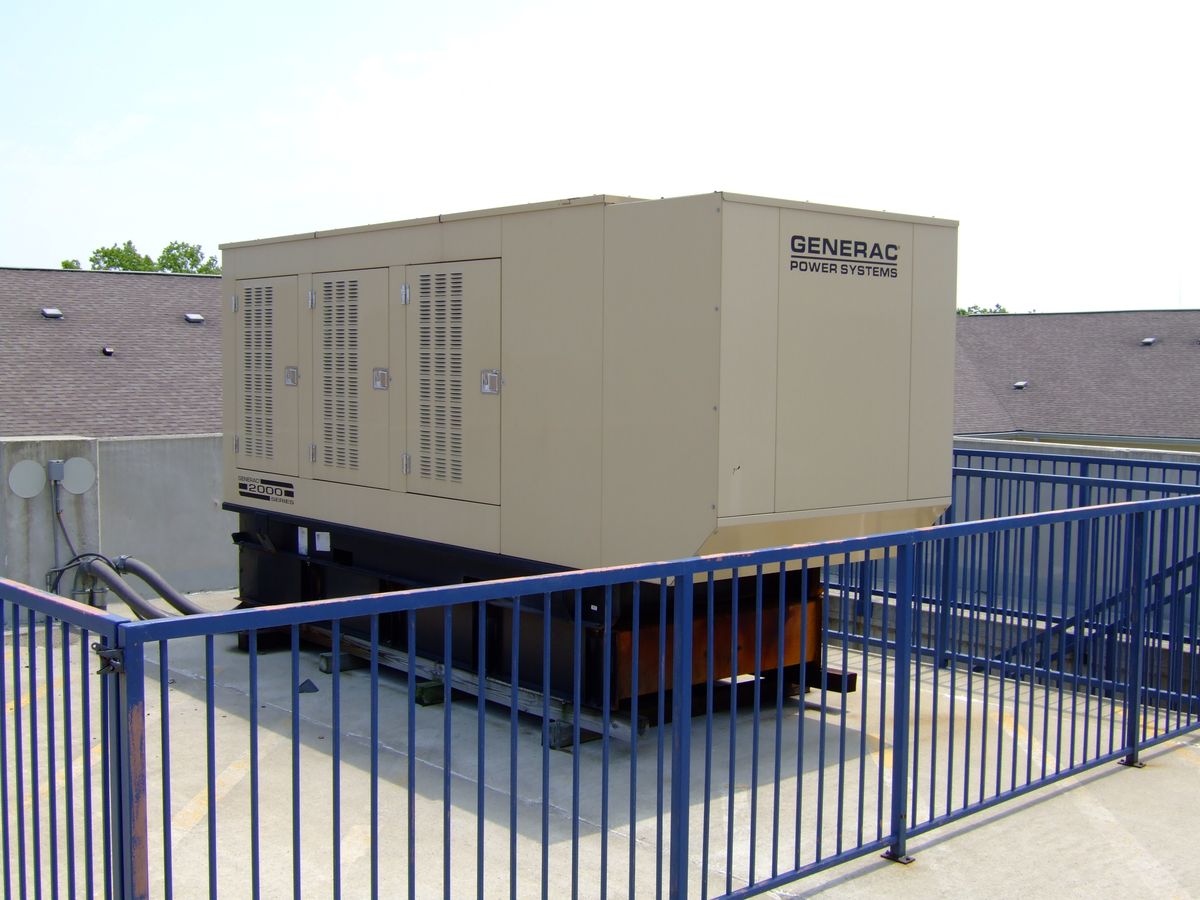
A whole-home standby generator is a $12,000 to $24,000 project, and most buyers do not pay cash — which makes the financing decision nearly as important as the brand decision. The wrong loan can add thousands in interest and fees to a project that adds little resale leverage, while the right structure can spread the cost cheaply across the years the generator protects you. In 2026 you have more options than ever: HELOCs and home-equity loans, dealer and manufacturer financing, personal home-improvement loans, PACE-style property-assessed programs in participating states, and even utility or resilience rebates that shrink the amount you finance. This guide compares them honestly, with real math.
How Much You Actually Need to Finance
Before comparing loans, pin down the number you are financing. A typical 20-24kW air-cooled standby installation runs $12,000 to $24,000 all-in in 2026: the unit and transfer switch, electrical work including any panel upgrades, gas plumbing and meter upgrades, the concrete pad, permits, and the first-year service contract. Portable and partial-home setups cost far less, but if you are reading this you are likely financing the whole-home tier. Get three itemized quotes and use the middle realistic number — not the lowest teaser quote — as your financing target, because under-financing and scrambling for the balance mid-project is how buyers end up on high-interest credit cards.
Subtract anything that reduces the financed amount before you shop loans. Some utilities and states offer resilience or storm-hardening rebates; a few insurers offer premium credits for permanently installed backup power, which does not reduce the loan but improves the project's economics; and if the installation coincides with other electrical work, bundling can cut shared labor costs. Also decide upfront whether the service contract and extended warranty ride on the loan — rolling $1,500 to $3,000 of service into a low-rate loan is often sensible, since the contract protects the asset securing your peace of mind.
A word on expectations: a standby generator is primarily a lifestyle and resilience investment, not a home-equity play. Appraisers and buyers value it, especially in outage-prone markets, but you should not finance it on the assumption it pays for itself in resale. Finance it because uninterrupted power, protected food and medical equipment, and a livable home during multi-day outages are worth the cost to your household — and size the payment to fit comfortably in your budget, because the unit will be on your pad for fifteen to twenty years. Costs are 2026 US market ranges; get itemized local quotes.
HELOCs and Home-Equity Loans: The Default Best Option
For most homeowners with equity, a home equity line of credit (HELOC) or home-equity loan is the strongest financing tool for a generator project. Rates in 2026 typically run several points below unsecured personal loans, the interest may be tax-deductible when the funds improve your home (confirm with your tax advisor — rules and your situation matter), and the structure fits the project: a home-equity loan gives you a lump sum at a fixed rate for a fixed payment, while a HELOC gives you draw flexibility if the project scope shifts during installation. On a $18,000 project, the rate difference between a HELOC and a personal loan commonly saves $2,000 to $5,000 in total interest over the loan life.
The trade-offs are real and should be respected. You are securing the debt against your home, which means genuine risk if your finances deteriorate — never borrow against your house for a project you cannot comfortably afford on the payment. HELOCs usually carry variable rates, so stress-test the payment at two to three points above today's rate before committing; if the higher payment strains your budget, a fixed-rate home-equity loan is the safer choice. Closing costs and appraisal fees ($0 to $1,000+ depending on the lender and product) also eat into the advantage on smaller projects, so compare the APR, not just the advertised rate.
Timing matters: HELOC applications take two to six weeks including appraisal and underwriting, so start the process before you sign an installation contract, not after. Many buyers sequence it as: quotes in hand, HELOC approved, deposit paid, installation scheduled. If your equity is thin or your timeline is urgent — say, hurricane season is six weeks out — the speed of alternatives may outweigh the HELOC's rate advantage, and that is a legitimate trade, not a failure.
Dealer and Manufacturer Financing: Convenient but Read the Fine Print
Generator dealers and manufacturers routinely offer financing, and the convenience is genuine: one application, approval in minutes, and the loan bundled with the installation contract. Promotional offers like deferred-interest or low introductory APR periods are common, especially from larger dealers and during storm-season sales pushes. For buyers with strong credit, dealer financing can be competitive — and for buyers who value simplicity over squeezing the last half-point of rate, it is often the path of least resistance.
The fine print is where dealer financing earns its reputation for caution. Deferred-interest promotions are the classic trap: if the balance is not paid in full by the end of the promotional period, interest is typically charged retroactively from day one at a high rate — often 20 percent or more — which can add thousands to the project overnight. Even standard dealer loans may carry origination fees or prepayment penalties that a bank loan would not. And there is a structural conflict worth naming: the party selling you the equipment is also selling you the loan, which dulls their incentive to suggest you might be over-sizing the unit or that a cheaper option would serve you.
Use dealer financing the way you would use any single quote: as one data point. Get the full terms in writing — APR, fees, promotional-period mechanics, prepayment terms — and compare against your HELOC or bank quote on total cost over the full repayment period, not the monthly payment. If the dealer offer wins on total cost and the terms are clean, take it with confidence. If it wins only because the monthly payment looks small, walk away and re-run the math.
Personal Loans, Credit Cards, and PACE-Style Programs
Unsecured personal home-improvement loans are the fastest path to funded: online lenders and banks commonly approve within a day and fund within days, with fixed rates and fixed terms, typically three to seven years. In 2026, well-qualified borrowers see rates meaningfully above HELOC rates but far below credit cards, making personal loans the sensible fallback when equity is unavailable or timing is tight. On an $18,000 project, expect the total interest to run a few thousand dollars above a HELOC over the loan life — a real cost, but a fair price for speed and for not encumbering your home.
Credit cards deserve a blunt warning: putting a five-figure generator project on a card at standard rates is among the most expensive ways to buy backup power, and it should be reserved for buyers who will pay the balance within a promotional zero-percent window they are certain to honor. The retroactive-interest trap on deferred-interest card promotions is identical to the dealer-financing version — miss the payoff date by a dollar or a day and the savings evaporate. If you use a card for points or purchase protection, have the payoff funds already allocated and the autopay set before the charge posts.
PACE-style (Property Assessed Clean Energy) and similar property-assessed programs deserve attention where available: in participating states and counties, they let you finance resilience and efficiency improvements through a special property-tax assessment, repaid over up to twenty years with the obligation transferring to a future buyer if you sell. Eligibility is narrow — standby generators qualify in some jurisdictions' resilience programs and not in others — and the long term means substantial total interest, but the transferability and long amortization can make an otherwise unaffordable project feasible. Check your county's program rules and confirm generator eligibility in writing before counting on it.
Rebates, Tax Angles, and Timing the Purchase
Before finalizing any loan, harvest every dollar that reduces the amount you borrow. Start with your utility: a growing number of utilities offer storm-hardening, medical-baseline, or resilience rebates that can cover $500 to $2,500 of a standby installation, and some run demand-response programs that pay you for allowing brief generator or battery dispatch during grid emergencies. Your state energy office is the second stop — several states expanded residential resilience incentives in recent years — and your insurer is the third: ask specifically about premium credits for permanently installed backup power and monitored systems.
On taxes, keep expectations disciplined. For most homeowners, a standby generator is personal-use property, not a deductible improvement in the year of purchase — though it does add to your cost basis, which can reduce capital gains when you sell. The exceptions are narrow but valuable: a home office or rental portion of the property may support partial deductions, and medical-necessity documentation for power-dependent equipment occasionally supports deductions — both are questions for your tax advisor, not your dealer. Do not let anyone sell you a generator on tax benefits they cannot cite in writing.
Timing the purchase itself can save real money: dealers discount most aggressively in late winter and early spring, ahead of storm season, when installation crews have open calendars and manufacturers push preseason promotions. Buying off-season can shave 5 to 15 percent off equipment and labor versus peak hurricane-season pricing, when backlogs stretch for months. If you are financing, an off-season purchase also gives your HELOC or loan application time to process without storm-season pressure — the cheapest generator project is the one planned calmly, not the one rushed after the forecast cone appears.
A Decision Framework and the Math That Matters
Run every option through the same three questions. First, total cost: add principal, all interest over the full term, origination and closing fees, and any promotional-period traps — the lowest monthly payment is not the lowest cost. Second, risk: secured against your home, unsecured, or tied to your property taxes — and what happens if your income drops. Third, flexibility: can you prepay without penalty, does the term match how long you will own the home, and does the funding timeline meet your installation schedule.
A worked example makes the stakes concrete. On an $18,000 project repaid over seven years, a HELOC-style rate in the high single digits costs roughly $4,000 to $5,500 in total interest; a personal-loan rate in the low teens costs roughly $8,000 to $10,000; a credit card at standard rates costs dramatically more. That $4,000-plus gap between the best and mid-tier options is real money — roughly a quarter of the project — and it is why the financing decision deserves an afternoon of comparison shopping, not a signature at the dealer's desk.
Final guidance: start with your bank or credit union for a HELOC or home-equity quote, get the dealer's financing terms in writing for comparison, check utility and state rebates before you borrow, and never sign a loan whose promotional mechanics you cannot explain back in one sentence. The generator protects your home for twenty years; the loan should be structured to feel fair for every one of them. Have all electrical and gas installation work performed by licensed professionals, and confirm permits and inspections are included in your quotes. Costs are 2026 US market ranges; get itemized local quotes.
Frequently asked questions
Usually a HELOC or home-equity loan: rates run several points below unsecured personal loans, and on an $18,000 project the rate difference commonly saves $2,000-$5,000 in total interest. The trade-off is that the debt is secured against your home, and HELOC applications take 2-6 weeks, so start before signing an installation contract.
Sometimes, but compare carefully. Dealer and manufacturer financing offers fast approval and promotional APRs, yet deferred-interest promos can charge retroactive interest from day one at 20%+ if the balance is not fully paid by the deadline. Get all terms in writing and compare total cost over the full term, not just the monthly payment, against a bank quote.
In participating states and counties, possibly. PACE-style property-assessed programs finance resilience improvements through a property-tax assessment repaid over up to 20 years, with the obligation transferring to a future buyer. But standby generators qualify in only some jurisdictions' programs, so confirm eligibility in writing with your county before counting on it.
Some utilities offer storm-hardening or resilience rebates of $500-$2,500, and several states have residential resilience incentives, so check both before borrowing. For most homeowners the unit is personal-use property (not deductible in the purchase year), though it adds to your cost basis. Home-office, rental, or documented medical-necessity situations may differ; ask your tax advisor.
Late winter and early spring, ahead of storm season: dealers discount 5-15% off equipment and labor when crews have open calendars, versus peak hurricane-season pricing with months-long backlogs. Off-season buying also gives your HELOC or loan time to process calmly instead of rushing after a forecast cone appears.
Only with a firm plan to pay the balance within a promotional zero-percent window you are certain to honor. At standard rates, cards are among the most expensive ways to fund a five-figure project, and deferred-interest promos retroactively charge interest if you miss the payoff date by even a day. If you use a card for points, have payoff funds allocated and autopay set first.