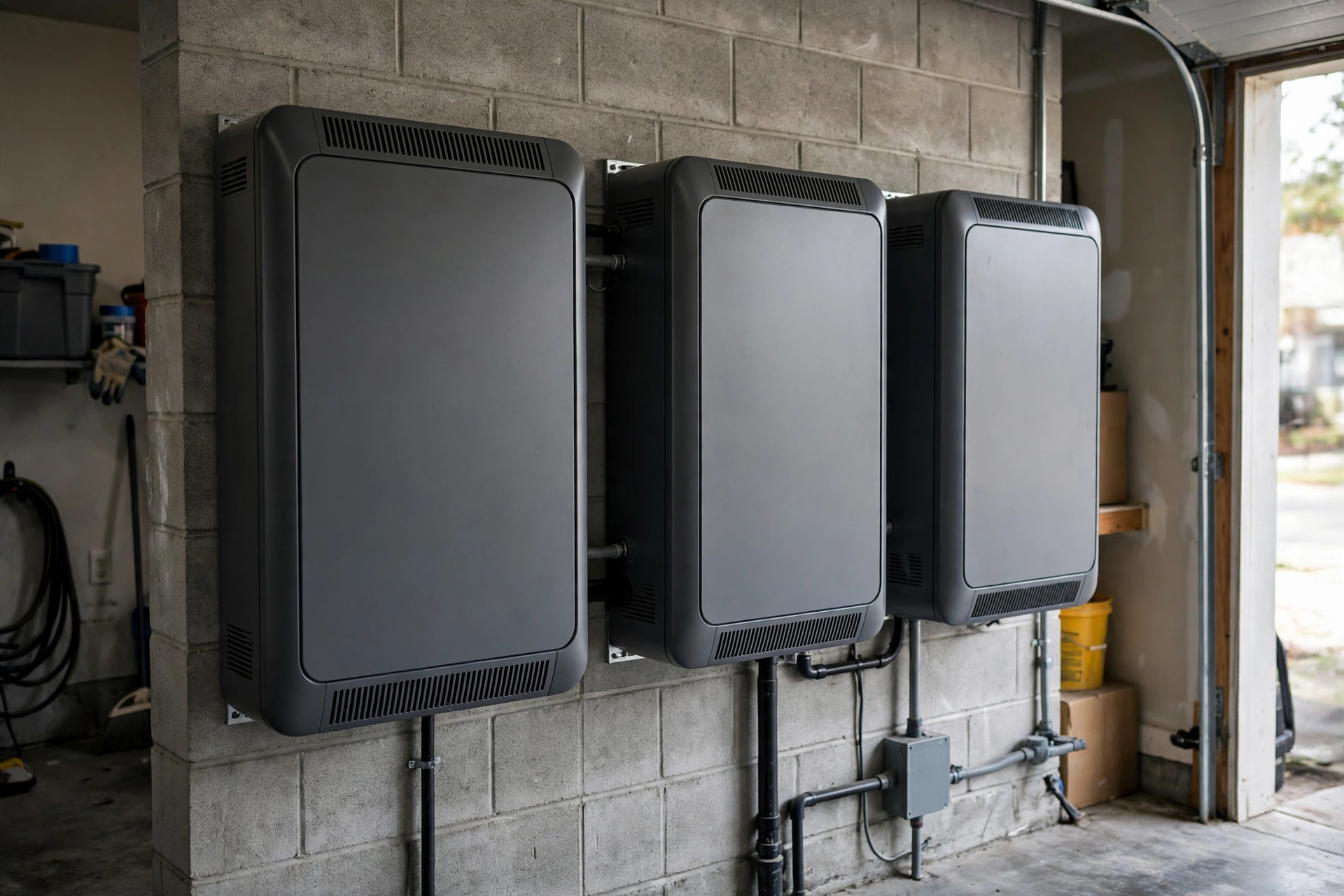
FranklinWH aPower 2 Installation Cost: What a 15 kWh System Really Costs (2026)
Key takeaways
- A single FranklinWH aPower 2 typically installs for about $17,500 in 2026, within a $16,000-$20,000 range for a straightforward job.
- That works out to roughly $1,170 per usable kWh (15 kWh per battery) — the fairest way to compare batteries of different sizes.
- The aGate controller is required on every system, costs roughly $3,000-$4,000 of the total, and one aGate supports up to 15 batteries.
- Adding an aPower 2 to existing solar costs about $1,500 more than installing it with new solar, because permits and labor are not shared.
- A second aPower 2 usually adds only about $12,000, since the aGate and much of the electrical work are already paid for.
- The federal residential clean-energy credit ended for expenditures after December 31, 2025, so 2026 buyers should not budget a 30% federal credit.
FranklinWH aPower 2 installation cost typically lands between $16,000 and $20,000 for a single 15 kWh battery installed with its required aGate controller, with about $17,500 the most commonly reported figure for a straightforward install in 2026. A second aPower 2 usually adds around $12,000, because the aGate and much of the electrical work are already in place. There is no federal tax credit to subtract in 2026, so the installed price you are quoted is much closer to the price you actually pay.
That headline number hides a lot of variation. The battery itself is only part of the job: the aGate controller, electrical upgrades, permits, utility interconnection, and labor all sit between the equipment price and the total on your contract. Homes that need a main-panel upgrade, a long conduit run, or whole-home backup configuration land at the top of the range or above it, while a simple garage-wall install next to an existing solar inverter lands near the bottom.
This guide breaks down what each piece costs, what drives quotes up or down, how the aPower 2 compares with Tesla and Enphase on installed cost per kilowatt-hour, and how to read competing quotes so you are comparing the same system, not just the same battery.
What a FranklinWH aPower 2 installation actually includes
Every FranklinWH system has two mandatory pieces of hardware. The aPower 2 is the battery cabinet: 15 kWh of usable lithium iron phosphate (LFP) storage delivering 10 kW of continuous power. The aGate is the smart energy controller that sits beside your main electrical panel and manages solar, battery, grid, and generator power, including automatic backup switching and circuit-level load control during an outage. You buy one aGate per system, and a single aGate supports up to 15 aPower 2 batteries, or 225 kWh in total.
That two-part design is why "battery price" quotes are so misleading. A quote that lists only the aPower 2 cabinet is missing the aGate, which installers typically value at roughly $3,000 to $4,000 of the system, plus the electrical work to wire it into your panel. Always ask for an itemized quote that separates equipment, aGate, electrical work, permits, and labor, so a low headline number cannot hide a missing controller.
EF ECOFLOW 12kWh Power Station: DELTA Pro Ultra with Extra Battery, 120/240V 7200W AC Output, Lifepo4 Home Battery Backup Expandable to 90kWh

Hand-picked for this guide; listing verified live on Amazon.
*Affiliate Disclosure: As an Amazon Associate, Elevate Home earns from qualifying purchases. Pricing and availability subject to change.
Single, double, and triple battery pricing
The economics of the aPower 2 improve with each added battery, because the expensive fixed pieces — the aGate, the design, the permits, and much of the electrical work — are paid once. Marketplace data puts a single aPower 2 at a median of about $17,250 installed with new solar and about $19,000 added to solar you already own, before any state or utility incentives. Other 2026 reviews land in the same band, around $17,500 to $17,655 for a single installed unit.
That works out to roughly $1,170 per usable kilowatt-hour for a single battery ($17,500 divided by 15 kWh), which is in line with the $1,177 per kWh figure published by EnergySage. Per-kWh cost is the fairest way to compare batteries of different sizes: a cheaper battery that holds far less energy can look like a bargain until you divide by what it actually stores.
Two batteries are the sweet spot for larger homes that want to run central air conditioning through an outage or stretch backup from overnight into the next day. One battery covers essential loads — fridge, lights, internet, fans, and a few outlets — comfortably overnight for most homes. Whole-home backup, including central AC, an electric range, and an EV charger at the same time, is where the second battery earns its keep, and it is also where installers most often find panel or wiring work that was not in the first quote.
What pushes your quote above (or below) the typical range
Adding to existing solar costs more than installing with new solar. Marketplace installers charge a median of about $1,500 more to add an aPower 2 to solar you already own than to install it alongside a new solar array, because permits, inspection, and labor are not shared with a solar job. If you are planning solar anyway, pricing the battery in the same contract is usually the cheaper route.
Your electrical panel is the biggest wildcard. Older 100-amp panels, panels with no spare breaker space, or panels that need relocation can add thousands before the battery work even starts. A home with a modern 200-amp panel and space for the aGate circuits will quote near the bottom of the range; a home needing a panel upgrade will not, and any quote that ignores your panel has not actually been priced for your home.
Distance and routing matter. A battery mounted on the garage wall next to the panel is a short, cheap run. A battery on the far side of the house, a detached garage, or a site needing trenching adds conduit, wire, and labor hours. Outdoor-rated equipment helps — the aPower 2 operates from about -4°F to 122°F — but the wiring route still has to be built.
Backup configuration changes the job. Whole-home backup, where the aGate backs up the entire panel, is simpler to use but can require more electrical work than a partial-home setup with a critical-loads subpanel. The aGate's smart-circuit control narrows that gap, because it can shed lower-priority circuits during an outage instead of requiring a separate subpanel, but confirm in writing which circuits stay powered in your quote.
Location and installer supply move prices too. Labor rates, permit fees, and utility interconnection rules vary by state and utility, and FranklinWH-certified installers are thinner on the ground than Tesla or Enphase installers in some areas. A market with two certified installers quotes differently from a market with ten. Get at least two itemized quotes from FranklinWH-certified installers before signing.
How the aPower 2 compares on installed cost
Against its closest rivals, the aPower 2 is the premium option on total installed cost and the competitive option on cost per kilowatt-hour, because it packs more storage into a single cabinet. A Tesla Powerwall 3 typically installs for around $15,000 to $17,000 with 13.5 kWh, while the aPower 2 installs for around $17,500 with 15 kWh and 10 kW of continuous power against the Powerwall's lower continuous output. For a full head-to-head on capability rather than just price, see our FranklinWH aPower 2 vs Tesla Powerwall 3 comparison.
Enphase takes a different approach: smaller 5 kWh steps that let you size in finer increments, at a lower cost per step but more electrical work per kilowatt-hour as you stack units. If you are weighing a FranklinWH system against expanding an Enphase system you already own, our Enphase vs FranklinWH expansion cost guide breaks down where each platform's per-unit pricing actually lands. The right comparison is always total installed cost per usable kWh and per kW of continuous output, quoted by the same installer against the same load analysis — not equipment prices pulled from different websites.
One honest caveat: the aPower 2's round-trip efficiency, around 89 percent in independent reviews, trails the Powerwall 3's roughly 97.5 percent. Over a decade of daily cycling that efficiency gap costs real kilowatt-hours, which matters more if you plan to cycle the battery daily for time-of-use savings than if you hold it mostly for outages. Price the system on your actual use case, not just the sticker.
Reading a quote: the checklist before you sign
Ask every installer for the same five things, and do not compare quotes that answer them differently. First, the itemized breakdown: battery, aGate, electrical work, permits, interconnection, and labor as separate lines. Second, the backup scope in writing: whole-home or partial-home, and exactly which circuits stay powered. Third, whether a panel upgrade is included or excluded, and what triggers an extra charge. Fourth, the warranty terms: the aPower 2 and aPower S carry a 15-year warranty, with the aGate covered for 12 years, and throughput limits apply, so confirm what counts toward them. Fifth, the timeline: design, permitting, utility approval, installation day, and inspection, with who handles each step.
Watch for three red flags. A quote far below the typical range usually omits the aGate, the panel work, or the permits. A quote that promises a tax credit in 2026 without mentioning that the federal residential clean-energy credit ended for expenditures after December 31, 2025, is selling you a deduction that no longer exists for a homeowner-purchased battery. And a quote with no load analysis — no list of what you actually run during an outage — is guessing at how many batteries you need. If you are adding storage to an existing solar array, also read our guide to adding a battery to existing solar before you accept a retrofit price.
Incentives in 2026: what is actually left
The big change for 2026 buyers is the federal picture. The residential clean-energy credit that once cut 30 percent off a battery purchase ended for expenditures after December 31, 2025, so a homeowner-purchased aPower 2 installed in 2026 gets no federal credit under that provision. Third-party-owned structures are treated differently, and some installers offer prepaid or leased arrangements that pass through a different incentive value, but those are different contracts with different trade-offs — compare them as financing products, not as discounts on the same purchase.
What remains is state and utility money, and it varies sharply by location: state rebates, utility battery programs, and virtual power plant payments that pay you for letting the utility draw on your battery at peak times. Some programs pay thousands; others pay nothing in your service territory. Check your utility's current battery program before budgeting, and confirm any incentive in writing with the program administrator, not just the salesperson. Our 2026 state rebate guide is a starting point, but program rules change during the year, and a tax professional should confirm anything you plan to claim.
The verdict: who the aPower 2 price makes sense for
The aPower 2's installation cost makes sense for a specific buyer: a homeowner who wants whole-home backup from a single cabinet, values the 10 kW of continuous power and generator integration, and plans to stay in the home long enough for the 15-year warranty to matter. For that buyer, paying roughly $2,000 to $3,000 more than a Powerwall 3 for more storage, more power, and a longer warranty is a defensible trade.
It makes less sense if your budget is the deciding factor, if you only need essential-load backup overnight, or if you want the largest installer network and fastest service response. In those cases a smaller or cheaper system, or a single Enphase unit, covers the need for less money, and the money saved buys a lot of outage comfort elsewhere. Either way, buy on the itemized installed total for your home — battery plus aGate plus electrical plus permits — and on a load analysis that proves how many kilowatt-hours you actually need. The cheapest quote for the wrong system is still the wrong system.
Frequently asked questions
How much does a FranklinWH aPower 2 cost installed in 2026?
A single aPower 2 typically costs about $17,500 fully installed, including the battery, the mandatory aGate controller, electrical work, permits, and labor, within a common range of $16,000 to $20,000 for a straightforward install. Homes needing a panel upgrade, long conduit runs, or whole-home backup configuration can land above that range.
Do I need the FranklinWH aGate, and what does it cost?
Yes. The aGate is required on every FranklinWH system. It manages solar, battery, grid, and generator power and handles automatic backup switching and load control. It accounts for roughly $3,000 to $4,000 of a single-battery install, and one aGate supports up to 15 aPower 2 batteries.
Can one aPower 2 power my whole house during an outage?
One 15 kWh aPower 2 with 10 kW of continuous power can back up most homes' essential loads overnight and, in many cases, whole-home loads for a shorter window, including central air conditioning up to about 5 tons. Running central AC, an electric range, and an EV charger together for hours is where a second battery becomes the realistic choice.
How much does it cost to add a second aPower 2 battery?
A second aPower 2 typically adds about $12,000 installed, noticeably less than the first, because the aGate, design, permits, and much of the electrical work are already in place. Total system cost for two batteries usually lands around $28,000 to $32,000 before incentives.
Is there a federal tax credit for a FranklinWH battery in 2026?
No, not for a homeowner-purchased battery. The federal residential clean-energy credit ended for expenditures after December 31, 2025. State rebates, utility battery programs, and virtual power plant payments may still apply depending on your location — confirm them with the program administrator and a tax professional.
How long does a FranklinWH aPower 2 installation take?
The on-site installation itself is typically a day or two of work, but the full timeline from contract to permission to operate is usually several weeks once design, permitting, utility interconnection, and inspection are included. Ask your installer for a written timeline covering each step before signing.
Keep reading
Battery Comparisons
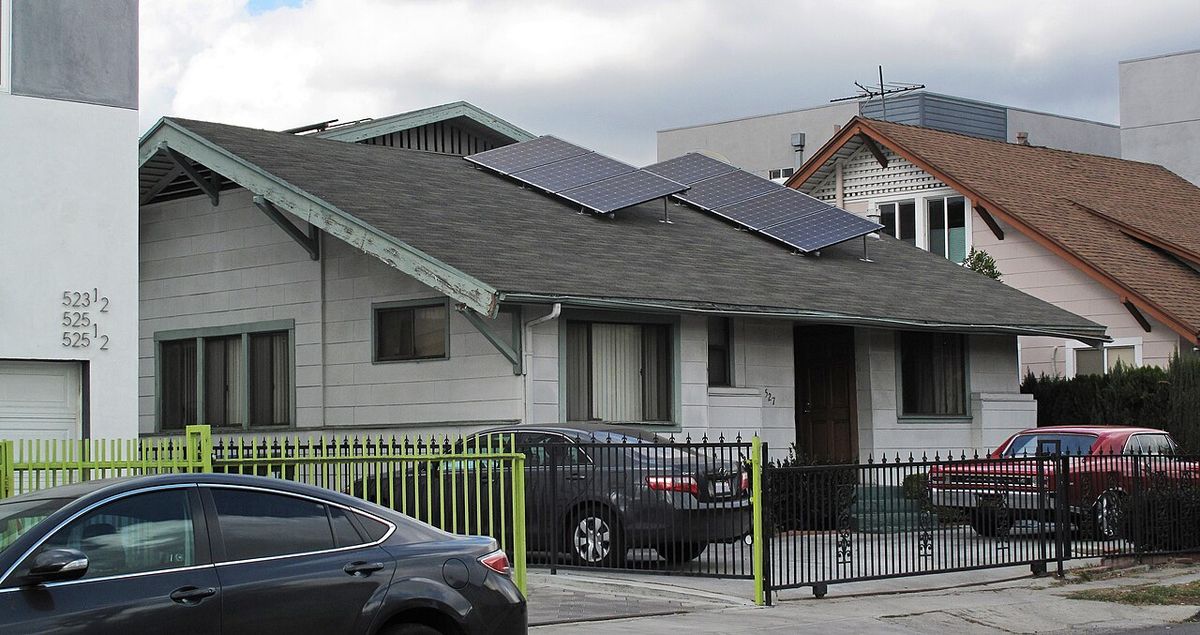
FranklinWH aPower 2 vs Tesla Powerwall 3: 2026 Guide
FranklinWH aPower 2 vs Tesla Powerwall 3 compared: continuous power, capacity, expansion, aGate vs integrated …
Battery Comparisons
Enphase IQ Battery 5P vs FranklinWH aPower 2: 2026 Guide
Enphase IQ Battery 5P vs FranklinWH aPower 2 for 2026: microinverter vs aGate architecture, box-count math, ex…

Battery Brands
Expanding Enphase vs FranklinWH Systems
Expanding Enphase vs FranklinWH battery systems compared: increment sizes, installer steps, compatibility limi…
Retrofit Guide
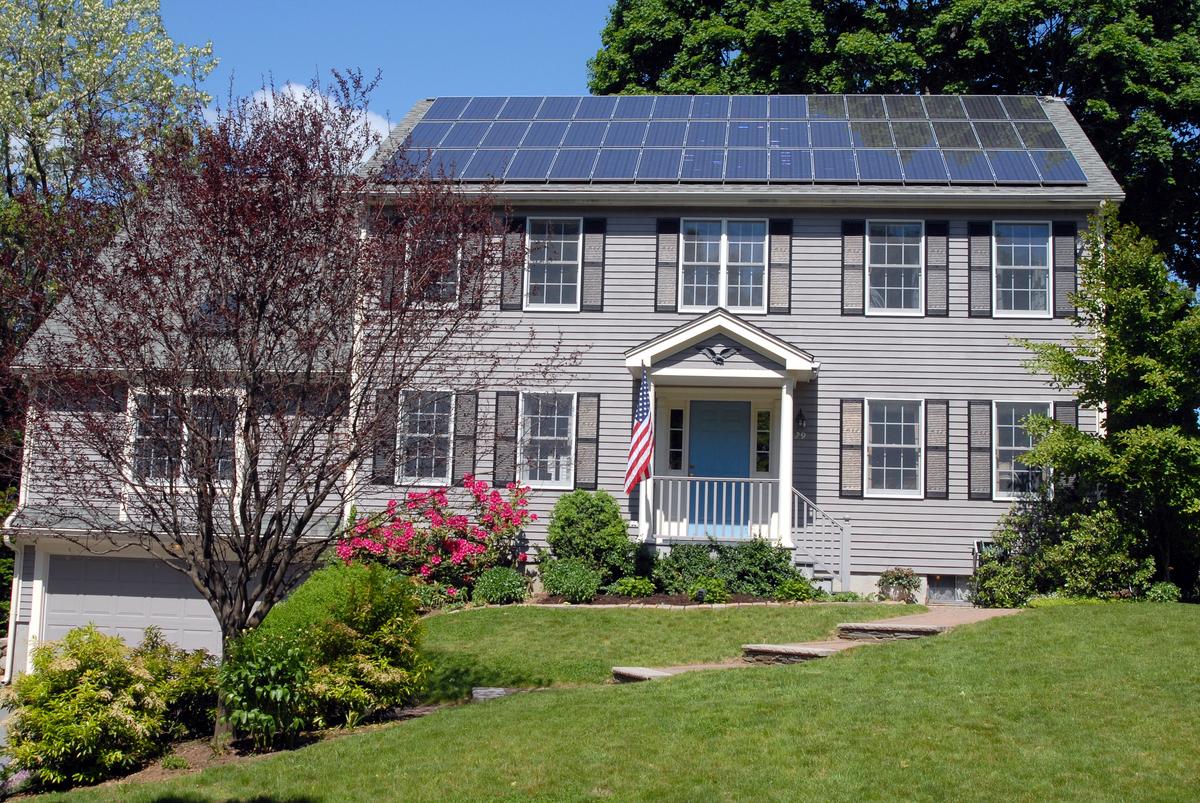
How to Add Battery to Existing Solar: 2026 Retrofit Guide
How to add battery to existing solar in 2026: AC vs DC coupling, inverter compatibility, net-metering impacts,…
2026 Policy
Home Battery Rebates & Incentives: 2026 Guide
Home battery rebates and incentives for 2026: what survived the 25D end — SGIP, state rebates, utility BYOB pr…
Incentives Guide
Home Battery Tax Credit: 2026 US & Canada Incentives Guide
Home battery tax credit guide for 2026: US federal credits, state rebates, utility VPP payments, and Canadian …