Preventing Propane Regulator Freeze-Up
Propane generator dying on cold nights? Regulator freeze-up causes, symptoms, and fixes — two-stage regulation, tank sizing, and 2026 costs.
10 MIN READ · UPDATED 2026-09-23
Key takeaways
- Regulator freeze-up comes from propane vaporization limits plus Joule-Thomson cooling and moisture — usually a sizing problem exposed by cold, not freak weather.
- The signature is start-run-die cycling with frost on the regulator; check the tank gauge first, since empty tanks mimic freeze-up.
- Two-stage regulation dramatically reduces freeze risk versus single-stage, and it's one of the best-value cold-weather upgrades.
- Keep tanks fuller in winter (never below 40–50%), and verify vaporization capacity at your real design winter temperature before upsizing anything.
- Never thaw propane equipment with open flame; regulator and piping work belongs to licensed propane technicians, and fixes should be engineered in fall — not during a January emergency.
It is the coldest night of the year, the power is out, and your propane generator — the machine you bought precisely for this moment — sputters and dies. The culprit is often not the engine at all but a fist-sized device on the tank: the propane regulator, frozen solid. Regulator freeze-up is one of the most common cold-weather generator failures, and it is almost always preventable. The physics are straightforward, the warning signs are visible, and the fixes range from a $30 cover to a tank upgrade. Here is the complete guide to keeping fuel flowing when temperatures plunge.
Why Propane Regulators Freeze: The Physics
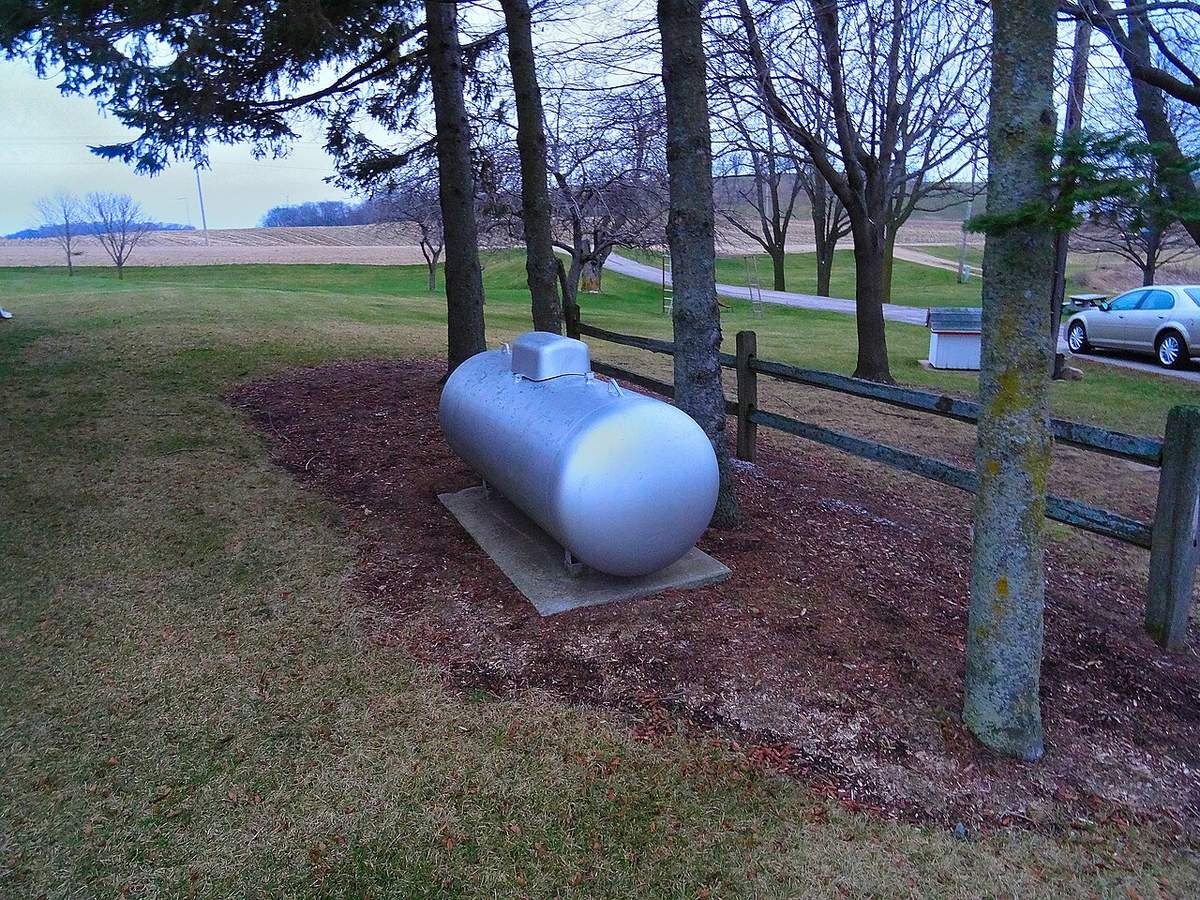
Propane sits in your tank as a liquid and must boil into vapor before your generator can burn it. Boiling absorbs heat — a lot of it — and the tank and regulator supply that heat from the surrounding air. This is where cold weather turns against you: as ambient temperature drops, the tank's ability to vaporize propane fast enough to feed a hungry generator falls with it. A 22 kW generator at full load can demand vaporization rates that a half-full 500-gallon tank simply cannot sustain at 0°F.
The regulator itself adds a second freezing mechanism. As high-pressure vapor squeezes through the regulator's orifice down to the low pressure your generator needs, it cools dramatically — the Joule-Thomson effect, the same physics behind a spray can turning cold. Under high flow in cold air, the regulator body can drop well below freezing even when the air temperature is merely chilly. Any moisture in the gas or the air then condenses and freezes on and inside the regulator.
Moisture is the accelerant. Propane is supposed to be dry, but tanks accumulate trace water over years of refills, temperature cycling draws humid air into fittings during service, and a regulator's vent can inhale moist air directly. That moisture freezes into ice crystals that jam the regulator's diaphragm and valve mechanism. The result: fuel starvation that looks exactly like an engine problem but isn't.
Symptoms: What Freeze-Up Looks Like
Regulator freeze-up has a distinctive signature, and recognizing it saves you from misdiagnosing a fuel problem as an engine problem. The classic pattern: the generator starts, runs for minutes to an hour, then stumbles, surges, and shuts down — often with a low-fuel-pressure or under-speed fault code. After sitting for a while, it may start and run again briefly before repeating the cycle. That on-again, off-again behavior is the regulator alternately freezing and thawing.
Visual inspection confirms it. A freezing regulator often wears a coat of frost or ice on its body, and you may see frost on the pigtail hose or the first-stage piping. In severe cases the tank itself frosts heavily on the liquid-wetted lower portion — a sign the tank is vaporizing at its absolute limit. None of this frost is normal in the sense of "ignore it"; light frosting during high demand in cold weather happens, but heavy ice that correlates with shutdowns is a failure demanding correction.
Do not confuse freeze-up with an empty tank, though the symptoms overlap. Check the gauge first — a surprising number of "freeze-up" service calls end with a propane delivery. Note that gauges become less trustworthy in extreme cold, and a tank reading 20 percent in single-digit temperatures may not deliver usable vaporization at all. When in doubt, describe the frost pattern and the start-run-die cycle to your service technician; those two details point them at the regulator immediately.
The Root Cause Is Usually Sizing, Not Weather
Here is the uncomfortable truth behind most freeze-ups: the system was marginally sized, and cold weather just exposed it. Propane vaporization capacity depends on tank size, fill level, and temperature — a 250-gallon tank at 30 percent in January may vaporize only a fraction of what your generator demands at full load. The original installer may have sized the tank for a milder climate assumption, a fuller tank than you maintain, or a smaller generator than you now run.
The math that matters is vaporization rate versus demand. Your propane supplier or a qualified technician can calculate your tank's vaporization capacity at your design winter temperature (use your area's realistic worst case, not the average January low) and compare it against the generator's full-load fuel consumption from its spec sheet. If demand exceeds vaporization with no margin, freeze-up is not a freak event — it is the expected outcome, and it will recur every cold snap until the sizing is fixed.
Fill level discipline is the free part of the fix. Vaporization happens at the liquid surface, so a fuller tank vaporizes dramatically better than a nearly empty one — the wetted surface area is larger and the liquid mass holds temperature better. Many freeze-up-prone owners solve half their problem by simply never letting the tank drop below 40-50 percent in winter, with automatic delivery scheduled accordingly. It is the cheapest reliability upgrade in propane backup power.
Fixes That Work: From Covers to Tank Upgrades
Start with the regulator itself. A regulator cover or hood — $25-$60 — shields the unit from wind, freezing rain, and direct moisture ingestion while still allowing the vent to breathe. This alone resolves mild cases where the mechanism is fine but weather exposure tips it over the edge. Verify the vent points downward and is fitted with a screen; an upward-facing or unscreened vent inhales rain, snow, and insects.
Two-stage regulation is the professional-grade answer for the regulator side. Instead of one regulator dropping tank pressure to appliance pressure in a single brutal step (maximum Joule-Thomson cooling), a first-stage regulator at the tank drops to an intermediate pressure and a second-stage regulator at the house or generator finishes the job. Each stage cools less, neither freezes as readily, and pressure delivery stays far more stable under varying demand. If your system still uses single-stage regulation, upgrading is one of the highest-value cold-weather improvements available.
For the tank side, the fixes are bigger tank, fuller tank, or manifolded tanks. Upsizing from a 250 to a 500-gallon (or 500 to 1,000-gallon) tank multiplies vaporization capacity; manifolding two tanks together doubles the wetted surface area. In extreme climates, tank warming systems — electric heating blankets thermostatically controlled — keep vaporization up, though they need their own power source during an outage (a cruel irony best solved by powering the blanket from the generator's own output via a small dedicated circuit). Methanol injection to absorb moisture is a legitimate technique, but it belongs to licensed propane technicians — it is not a DIY additive.
Installation Details That Prevent Freeze-Up
Much freeze-up is installed, not inherent. Regulator placement matters: the unit should be sheltered from prevailing wind and driving precipitation — under an eave, inside a ventilated enclosure, or on the lee side of the tank — while remaining accessible for service and inspection. Buried or ground-level installations in flood-prone spots invite moisture problems; regulators belong above the snow line and above any standing water.
Piping details compound or relieve the problem. Long, exposed high-pressure runs between tank and regulator lose heat to cold air before the gas even arrives; insulating exposed piping and minimizing run length helps. Pigtails connecting the tank to the regulator should have a loop that traps contaminants before they reach the regulator mechanism, and they are wear items — cracked, hardened pigtails admit moisture and should be replaced on sight, not on schedule.
If you are installing new or replacing equipment, specify the cold-weather package up front: two-stage regulation, a tank sized for your design winter temperature at realistic fill levels, a regulator cover, and a moisture-management plan from your propane supplier (many will treat or dry tanks on request). Retrofitting these one by one costs more in total than specifying them together — another argument for getting the fuel system designed by someone who has seen a polar vortex, not just a catalog.
What the Fixes Cost in 2026
Cold-weather propane fixes span two orders of magnitude, which is good news — start cheap and escalate only as needed. A regulator cover and vent service runs $25-$60 in parts plus minimal labor, often bundled into an annual service visit. Upgrading single-stage to two-stage regulation typically costs $400-$900 installed, including the second regulator, piping modifications, and pressure testing.
Pigtail replacement is $75-$200 per line. Tank upsizing is the big-ticket item: moving from a 250 to a 500-gallon tank generally runs $2,500-$5,000 installed including the tank, pad or footings, piping, and permits; a 1,000-gallon installation can reach $6,000-$10,000. Manifolding a second tank alongside the existing one often lands between those figures. Electric tank warming blankets cost $500-$1,500 plus the dedicated circuit to power them.
Costs are 2026 US market ranges; get itemized local quotes. Propane work is licensed-trade work in most states — regulators, piping, and pressure testing are not homeowner DIY, and your propane supplier often performs this work or can recommend a qualified technician. Get the vaporization calculation in writing before approving a tank upsize; it is the engineering proof that the money solves the actual problem.
Safety Notes and When to Call a Professional
Propane demands respect, and freeze-up troubleshooting has sharp edges. Never apply open flame or a torch to a regulator or tank to thaw it — this is how explosions happen, and it is never acceptable no matter how cold it is or how urgent the outage feels. Warm (not hot) water poured over a frozen regulator is the safe field thaw; better still, wait for the technician if fuel system work is needed.
Call a licensed propane technician — not a general handyman — for anything beyond a cover installation: regulator replacement or restaging, pressure adjustments, pigtail replacement, methanol treatment, tank sizing changes, and any leak investigation. Propane leaks are heavier-than-air, odorized with mercaptan for detection, and unforgiving of amateur plumbing. If you smell propane, shut off the tank valve if you can do so safely, evacuate, and call your supplier's emergency line — then the fire department if the smell is strong or inside the home.
Finally, treat freeze-up as a system signal, not a weather complaint. One freeze-up is a warning; two is a diagnosis. Every recurrence is telling you the vaporization margin is too thin, and the fix is engineering — sizing, staging, sheltering — not hoping for a milder winter. Schedule the assessment in fall, before heating season, when technicians have availability and propane prices are typically lower than mid-winter emergency rates. Your generator is only as reliable as its fuel delivery, and fuel delivery is a designed system, not a lucky one.
Keep a simple winter log: tank percentage at the start of each month, the coldest overnight low, and whether the generator exercised or ran without issue. After one season you will know your system's real margin — and you will spot a shrinking margin (older tank, lower fills, colder snaps) before it becomes a failure. Data beats anxiety every winter.
Frequently asked questions
Cold reduces your tank's propane vaporization rate while the generator's fuel demand stays the same — at some temperature the lines cross and fuel starvation begins. The regulator also cools itself as gas expands through it, compounding the problem. It's a capacity margin issue that only appears when the margin goes negative, which is why mild cold is fine and extreme cold fails.
Light frosting during high demand in cold weather can occur without indicating failure. Heavy ice buildup that correlates with the generator stumbling or shutting down is not normal — it's freeze-up restricting fuel flow. If frost appears alongside the start-run-die cycle, have the regulator and tank sizing assessed.
Often yes, because a larger tank has more liquid surface area and thermal mass, so it vaporizes propane faster at low temperatures. But tank size only fixes the vaporization side; if the regulator itself is single-stage, undersized, or weather-exposed, it can still freeze. The complete fix usually pairs adequate tank capacity with two-stage regulation and sheltering.
Warm — not hot, never boiling — water is the safe field method for thawing a frozen regulator, and it's far safer than any heat gun or torch. But thawing treats the symptom. If it froze once, it will freeze again under the same conditions, so use the thaw to get through the emergency and schedule the real fix: staging, sizing, or sheltering.
Natural gas eliminates vaporization and regulator-freeze issues entirely, since it's delivered as a gas at utility pressure — but only if gas service is available at your property and the line is sized for the generator's full load. Many rural propane users don't have the option. Where gas is available, the conversion math often favors it for cold-climate reliability.
Enroll in automatic delivery with your propane supplier and set the winter trigger higher — many suppliers let you specify a minimum fill level. Buying in fall typically beats mid-winter emergency pricing, and some suppliers offer pre-buy or budget plans. The reliability dividend of never dropping below 40–50% in winter far outweighs the carrying cost of the extra gallons.