Outdoor Breakfast Bars: Morning Coffee Stations
Outdoor breakfast bar design for morning coffee stations: layout, weatherproof coffee gear, water and power, storage, and 2026 costs for a daily ritual space.
10 MIN READ · UPDATED 2026-09-23
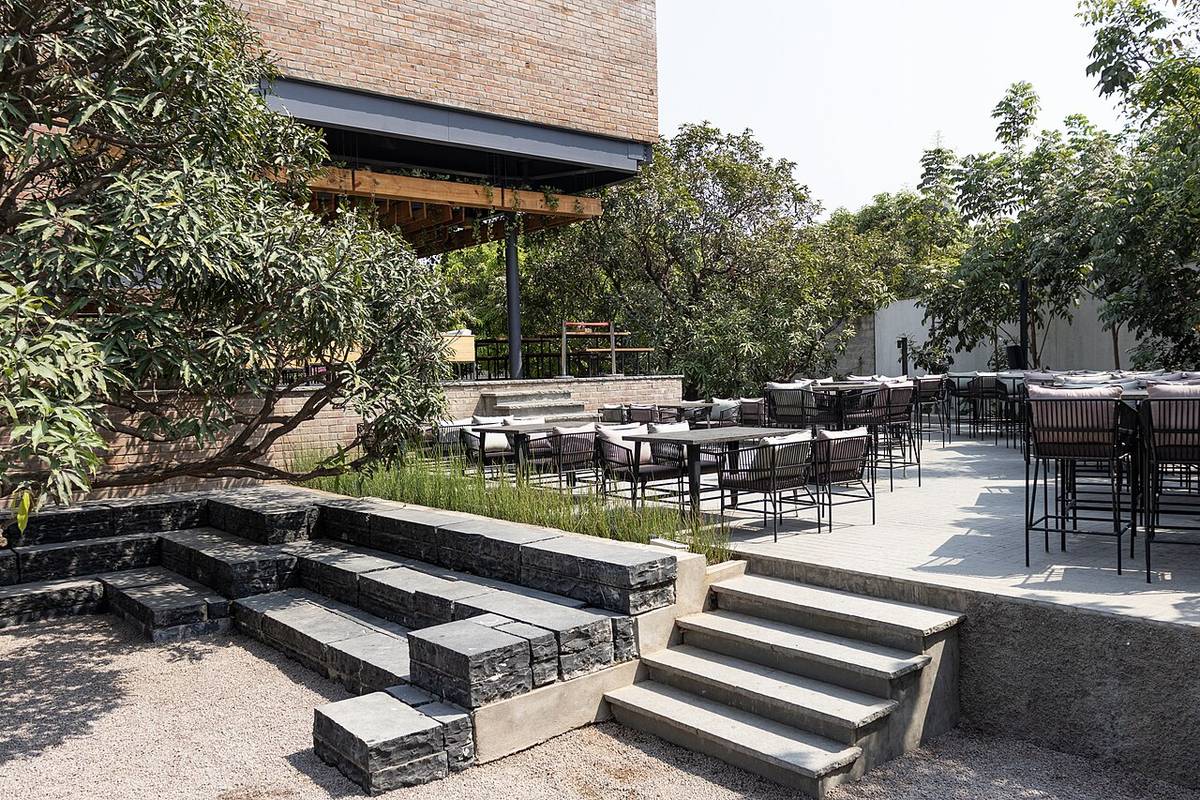
Key takeaways
- Design the bar for morning rituals first — east-facing, sheltered, close to water and power — and evening entertaining follows naturally.
- Coffee gear needs weatherproof storage or a cabinet; humidity and UV destroy indoor espresso equipment left outside.
- Counter height (36 in) beats bar height for daily comfort, with 12-15 in of knee overhang and 24 in per seat.
- A plumbed water line with filtration and a dedicated 20-amp GFCI circuit make the station effortless — plan both with a licensed electrician.
- Budget $2,500-$6,000 for a simple station or $8,000-$18,000 integrated into the kitchen build, on top of espresso equipment.
The outdoor kitchen gets designed for the big Saturday cookout — and then the owners discover they use it most at 7am with a mug in hand. A breakfast bar built as a morning coffee station turns the patio into a daily ritual space: espresso before the house wakes, juice and pastries with the weekend paper, a quiet work perch with real air. But morning use has different demands than evening entertaining. Dew, shade angles, coffee gear that hates weather, seating that works for 20 unhurried minutes rather than a three-hour party. Design the bar for mornings first, and the evenings take care of themselves.
The Morning-Zone Mindset: Designing for Daily Use
Most outdoor bars are optimized for the party: high seating, big spans, sight lines to the grill. A morning station needs a different feel — sheltered, warm in the shoulder seasons, positioned to catch the early sun or the best view, and close to the kitchen workflow for refills. The first design question is not how many stools fit, but which corner of the patio you actually want to sit in at sunrise. East-facing positions catch morning light and stay shaded in the brutal afternoon; a spot tucked under a roof overhang stays usable when the grass is wet and the forecast is uncertain.
Think in terms of ritual, not furniture. A morning station earns its keep when everything needed is within arm's reach: the machine, the grinder, cups, water, a small fridge for milk, and a drawer for the newspaper-tablet-coffee paraphernalia that otherwise migrates indoors. The luxury version is a compact beverage zone — 4 to 6 feet of counter with under-counter refrigeration, a plumbed water line, and a dedicated 20-amp circuit — so the morning routine never involves hauling equipment outside. If the outdoor kitchen already has a sink and fridge, extending the bar from that zone keeps the morning station short, practical, and cheap to build.
Seating is where morning comfort lives. Counter-height (36-inch) bars with 24-inch stools feel like a kitchen island — fine for a quick coffee, but the seat choice matters for lingering. Backed stools or a banquette edge on one side transform the bar from a perch into a place you settle into. Budget 24 inches of width per seat and at least 15 inches of knee space, and leave 36 to 44 inches of walkway behind seated guests so the cook can pass without the morning crowd feeling like an obstacle.
Coffee Gear That Survives Outdoors
Coffee equipment is the heart of the station, and it is also the most weather-sensitive part. Espresso machines, grinders, and drip brewers are indoor appliances: humidity corrodes burrs and electronics, temperature swings crack reservoirs, and UV degrades plastic housings. The station design has to answer the storage question before the equipment question — either the gear lives in a weatherproof cabinet or roll-out cart that closes up after use, or it shuttles indoors, which kills the ritual.
The best-performing setups use one of two approaches. The first is a dedicated outdoor-rated beverage cabinet — a weatherproof enclosure with ventilation, a cover that lifts or folds away during use, and interior power. Quality weatherproof cabinetry for a coffee zone runs $1,200–$3,500, and it protects a $1,000–$3,000 espresso setup from the elements. The second approach is a compact cart on locking casters stored in the garage or mudroom and rolled out each morning; cheaper, but it only works if the path is level and the habit survives the friction.
Water and power are the infrastructure that makes the station feel effortless. A plumbed water line with a small under-sink filter ($200–$600 installed) eliminates the daily fill-the-reservoir chore and dramatically improves coffee quality if your tap water is hard or chlorinated. A dedicated GFCI-protected 20-amp circuit handles an espresso machine plus grinder without tripping the outdoor lighting. Have a licensed electrician run the circuit — outdoor power near a sink and wet counters is exactly where code-compliant GFCI protection and weatherproof boxes matter most.
Layout: Height, Depth, and the Work Triangle
Bar height sets the ergonomics of the whole station. The two standard choices are counter height (36 inches, same as the kitchen) and bar height (42 inches). Counter height wins for morning use: it matches indoor kitchen muscle memory, works with comfortable 24-inch stools, and keeps the surface at a height where pouring, grinding, and plating feel natural. Bar height looks dramatic and seats more people in a line, but 30-inch stools get old on slow mornings and the taller surface is awkward for actual food prep.
Counter depth is the other lever. A 24-inch deep bar fits drinks and elbows; 30 inches fits drinks, elbows, and a laptop or newspaper without the teetering-mug problem. If the bar doubles as a serving pass from the kitchen, 30 inches keeps the serving lane from colliding with the morning coffee setup. Overhang on the seating side should be 12–15 inches for real knee room — the number-one comfort complaint about outdoor bars is skimped overhang that forces sideways sitting.
Position the morning station on the quiet side of the kitchen, away from the grill's heat and grease. Morning coffee does not want to compete with a hot grill cover and last night's smoke. A station near the kitchen's prep or sink zone — where water, power, and refrigeration already live — keeps the utility runs short and the morning workflow tight: brew, step to the view, repeat.
Weather, Shade, and Shoulder-Season Comfort
Morning use lives or dies on microclimate. The east side of the patio gets gentle early sun and afternoon shade — ideal. A roof overhang or pergola with a retractable canopy ($2,000–$8,000 installed) handles the two morning enemies: dew-soaked seating and the surprise shower. Retractable is the right call because morning sun is a feature, not a bug — you want the option of full sky on a crisp October morning.
Shoulder seasons are where a morning station earns its luxury status. A wall-mounted infrared heater ($300–$900 installed, on the same circuit plan as the coffee gear) extends comfortable coffee weather by two months on each end in most US climates. Wind is the subtler problem: a low glass wind screen or a strategically planted hedge breaks the morning breeze that cools coffee and chills bare arms. Landscape screening doubles as privacy, which matters at 7am in a way it never does at a party.
Materials need to handle the daily dew-and-sun cycle. Sealed stone or porcelain counters shrug off moisture; unsealed concrete will stain from the first coffee ring and needs resealing on schedule. Stools should be fully outdoor-rated — powder-coated aluminum or teak with outdoor cushions in solution-dyed fabric — because morning dew will find every weakness a party never would. Covers for the bar top and stools extend life dramatically; budget $200–$500 for fitted covers.
Storage and Organization: The Difference Between Ritual and Chore
The station fails as a ritual the moment setup takes ten minutes. The fix is dedicated, weatherproof storage for everything the morning needs: cups and mugs on a covered shelf or in a drawer with dividers, coffee and filters in sealed canisters (humidity kills ground coffee fast), a drawer for sweeteners and spoons, and a small trash or compost pullout for grounds and filters. Every item gets a home within two steps of the machine. When the gear, cups, and supplies all live at the station, the morning routine is a two-minute affair — and it actually happens.
Refrigeration is the upgrade that changes behavior. An under-counter outdoor-rated beverage fridge ($800–$2,500) holds milk, cold brew, juice, and fruit without a trip indoors. It needs its own circuit consideration — compressor startup draw plus the espresso machine can overload a shared 15-amp line — so plan the electrical with the fridge included. Position it at the end of the station where the door swing does not block the bar seating.
Cleanup infrastructure is the unsexy part that determines whether the station stays pleasant. A small bar sink ($600–$1,800 plumbed) means rinsing cups and wiping the machine without carrying a tray indoors; without it, the morning's dishes accumulate on the counter and the station looks abandoned by noon. If a full sink is too much, a lidded bus tub in a cabinet at least contains the mess until the dishwasher run. Design the cleanup path as carefully as the brewing path.
Budgeting the Morning Station: 2026 Costs
A morning coffee station ranges from a modest upgrade to a genuine luxury build. The simple version — a quality weatherproof cabinet, a cart-stored espresso setup, and a new GFCI circuit — lands around $2,500–$6,000. The integrated version with a plumbed sink, under-counter fridge, filtered water line, dedicated 20-amp circuit, and built-in weatherproof cabinetry runs $8,000–$18,000 as part of a larger kitchen build.
The line items: weatherproof beverage cabinet $1,200–$3,500; under-counter outdoor fridge $800–$2,500; bar sink plumbed $600–$1,800; water filtration $200–$600; dedicated electrical circuit $400–$1,200; retractable shade $2,000–$8,000; infrared heater $300–$900; fitted covers $200–$500. Espresso equipment itself is on top — $800–$3,000 for a prosumer home setup — and is worth protecting with the cabinetry, not the other way around.
Build the station as part of the main kitchen project whenever possible. The plumber is already running water, the electrician is already pulling circuits, and the counter fabricator is already on site — adding the morning zone to that scope costs far less than a standalone retrofit. And put it on the permit drawings with the rest of the kitchen; inspectors want the electrical and plumbing documented regardless of which meal the counter serves. Costs are 2026 US market ranges; get itemized local quotes.
Evening Versatility: One Bar, Two Personalities
A bar designed only for mornings is a missed opportunity — the same infrastructure serves evenings beautifully with a few dual-purpose choices. The under-counter fridge that holds milk at 7am holds wine and beer at 7pm. The plumbed sink rinses espresso cups in the morning and cocktail shakers at night. The dimmable warm lighting (2700K) that makes sunrise coffee glow makes evening drinks feel intentional. Design the station for both personalities from the start and the cost per use drops dramatically.
The transitions are small but specific. Glassware storage — a covered shelf or drawer with dividers for wine glasses and tumblers — lives alongside the mug storage. The espresso machine gets its fitted cover at noon; the bar top gets a simple runner or tray setup for the evening pour. A small ice maker or even just a dedicated ice bin in the fridge ($300–$800 for a compact under-counter ice maker) is the one addition that is purely evening-driven and worth it if the bar hosts regularly. Keep cocktail ingredients in sealed containers just like the coffee — humidity is indiscriminate.
Seating that works for slow mornings works for long evenings too, which is why the comfort investments (backed stools, proper overhang, wind screening) pay twice. The one evening-specific upgrade worth planning is lighting control: a separate dimmer zone for the bar ($150–$400 in the electrical plan) so the morning's bright task light becomes the evening's low amber glow. When the bar shifts personalities with a dimmer slide and a change of bottles, the patio effectively gains a second room for the price of a few thoughtful details.
Frequently asked questions
Not unprotected. Espresso machines are indoor appliances — humidity corrodes burrs and electronics, freeze cycles crack reservoirs, and UV degrades housings. Keep the machine in a weatherproof ventilated cabinet, on a covered roll-out cart stored indoors between uses, or in a fully enclosed outdoor kitchen. Even with protection, bring precision equipment inside during hard freezes.
Counter height — 36 inches — is best for morning use. It matches indoor kitchen ergonomics, works with comfortable 24-inch stools, and feels natural for pouring and plating. Bar height (42 inches) seats more people in a line but gets uncomfortable for slow lingering, which is the whole point of a morning station.
For a plumbed water line, filtered water, or a bar sink — yes, use a licensed plumber. Outdoor plumbing needs freeze protection, proper drainage, and in most jurisdictions a permit. A water line with a small under-sink filter typically costs $200-$600 installed and is one of the highest-impact upgrades for daily coffee quality.
A wall-mounted infrared heater ($300-$900 installed) extends comfortable morning use by roughly two months on each end in most US climates. Combine it with a retractable canopy for dew and rain protection plus a wind screen or hedge to break the morning breeze. Morning shade is less of an issue — east sun is welcome.
A 4-to-6-foot counter section handles the machine, grinder, cups, and a small fridge. Allow 24 inches of width per seat, 12-15 inches of knee overhang on the seating side, and 36-44 inches of walkway behind seated guests. A compact but complete station fits comfortably in a corner of most patios.
A simple setup — weatherproof cabinet, cart-stored espresso gear, new GFCI circuit — runs $2,500-$6,000. A fully integrated station with plumbed sink, under-counter fridge, filtered water, dedicated 20-amp circuit, and built-in cabinetry runs $8,000-$18,000 within a larger kitchen build, before the $800-$3,000 espresso equipment itself.