Robotic Pool Cleaners: 2026 Buying Guide
Robotic pool cleaners compared for 2026: corded vs cordless robots on cleaning power, runtime, navigation, costs, and which suits your pool.
10 MIN READ · UPDATED 2026-09-22
Key takeaways
- Corded robots still lead on cleaning power: stronger suction, longer cycles, and better wall and waterline scrubbing.
- Cordless robots win on convenience with no cable or transformer, but trade runtime, suction, and battery lifespan.
- Match the robot to the pool: large or debris-heavy pools favor corded; small, lightly used pools suit cordless.
- Brush type must suit the surface: soft foam for vinyl and fiberglass, aggressive brushes for plaster and pebble.
- A hybrid setup, corded deep cleaner plus cordless surface skimmer, is the closest thing to a self-maintaining pool.
The robotic pool cleaner has quietly become the hardest-working appliance in backyard ownership — scrubbing floors, walls, and waterlines while you do literally anything else. But the market has split in two: traditional corded robots that plug into a poolside transformer, and a new generation of cordless, battery-powered units that drop in and go with no cable at all. They look similar in the water and could not be more different in capability. Here is an honest, corded-versus-cordless comparison of cleaning power, runtime, and value in 2026, so you buy the right robot once.
How Robotic Cleaners Actually Clean
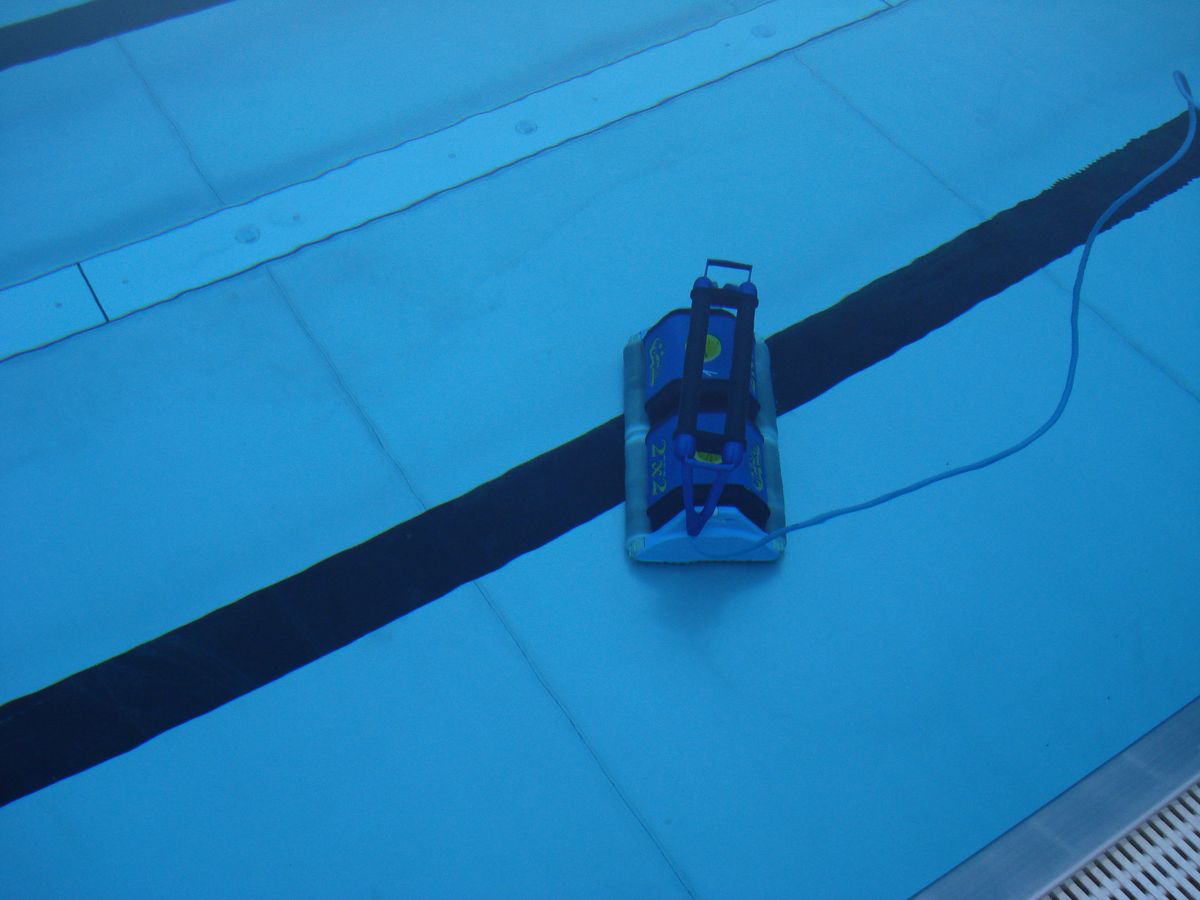
Every robotic pool cleaner, corded or cordless, works on the same principle: it drives itself around the pool on tracks or wheels, scrubs surfaces with rotating brushes, and vacuums debris through an onboard filter — either a fine mesh basket or a cartridge — while a pump jet provides both suction and propulsion. Unlike suction-side or pressure-side cleaners, robots do not rely on your pool's filtration system at all; they are self-contained, which means they filter finer particles and do not load up your main filter or run your big pool pump for hours.
The differences that matter are power source, navigation smarts, and filter capacity. Corded robots draw continuous power from a low-voltage transformer at the poolside, so they can run strong suction motors and sophisticated mapping software for two to three hours without fading. Cordless robots carry a lithium battery, which caps both motor power and runtime — typically 60 to 150 minutes depending on mode — but eliminates the cable entirely. Navigation ranges from old-school random bounce patterns to camera-and-gyro mapping that learns your pool's shape and cleans in efficient rows.
Brush type is the unsung spec. Aggressive PVC or combined bristle brushes scrub algae and biofilm off plaster and pebble finishes; softer foam brushes suit vinyl liners and fiberglass, where aggressive bristles can wear the surface over time. Wall-climbing ability, waterline scrubbing, and the fineness of the filter media (down to a few microns on the best units) separate a robot that truly replaces manual brushing from one that merely stirs the water.
Corded Robots: The Cleaning-Power Champions
Corded robots remain the performance kings, and it is not close on the metrics that matter for a dirty pool. Continuous mains power means stronger suction, longer cycles, and the energy budget for real navigation intelligence — the mapping, wall-climbing, and waterline scrubbing that define a thorough clean. A good corded robot will climb walls to the tile line, scrub the waterline where oils and sunscreen accumulate, and run a full two-to-three-hour cycle covering floor, walls, and coves methodically.
The trade-offs are the cable and the setup. The floating power cord can tangle — swivel-equipped cables and anti-tangle algorithms have improved this enormously, but a neglected cord still knots — and you need a GFCI-protected outlet within reach of the poolside, with the transformer kept dry and shaded. Storage means coiling the cable properly and keeping the unit out of the sun; UV degrades both the cable jacket and the plastic body over years.
Price-wise, quality corded robots run $700 to $1,800 in 2026, with the sweet spot for most residential pools between $900 and $1,300. Filter baskets or cartridges rinse clean in minutes, and replacement parts — brushes, tracks, filter panels — are widely available because the established brands have been iterating these platforms for a decade or more. For a pool that sees heavy leaf load, regular algae pressure, or simply an owner who wants the deepest clean with the least supervision, corded is still the recommendation.
Cordless Robots: Freedom With Fine Print
Cordless robots are the fastest-growing segment for one reason: drop it in, press a button, walk away — no transformer, no cable to untangle, no poolside outlet hunt. For small to mid-size pools with light to moderate debris, that convenience is transformative, and the best cordless units now clean genuinely well within their limits. Skimmer-style cordless units that roam the surface are a separate sub-category worth knowing: they continuously skim leaves and sunscreen off the top, complementing rather than replacing a floor-climbing robot.
The fine print is physics. A battery holds a finite charge, so cordless robots make compromises: shorter runtimes (often 60 to 90 minutes of real scrubbing), less aggressive suction than corded equivalents, and simpler navigation on budget models that can miss spots or clean the same area twice. Wall climbing exists on premium cordless units but is less authoritative than on corded flagships, and waterline scrubbing — the detail work — is where the power gap shows most.
Battery reality deserves honesty too. Lithium packs degrade; expect noticeable runtime decline after two to four seasons of heavy use, and replacement batteries run $100 to $250 where they are available at all — some budget brands offer no replacement path, making the robot disposable. Charging takes two to four hours, so a cordless robot cannot simply run again immediately after a storm drops a load of debris. For a lightly used pool and an owner who values grab-and-go simplicity above maximum cleaning authority, cordless earns its place; for heavy debris or large pools, it is a supplement, not a replacement.
Head-to-Head: Which Wins on What
On raw cleaning power — suction strength, wall climbing, waterline scrubbing, and coverage of a large or dirty pool — corded wins decisively. The continuous power supply supports bigger motors and smarter navigation, and a three-hour mapped cycle simply does more work than a ninety-minute battery run. If your pool collects serious leaf loads, fights recurring algae, or exceeds about 20 by 40 feet, the corded robot's authority is worth the cable.
On convenience and ease of use, cordless wins just as decisively. No cable management, no transformer placement, no outlet requirement — and several premium cordless models now include app control, scheduled cleaning, and retrieval features. For a smaller pool with modest debris, a conscientious owner who runs the robot frequently will get perfectly satisfactory results with far less fuss. The "best" robot is partly the one you will actually use twice a week.
On cost of ownership, the picture is mixed. Corded robots cost more upfront but their parts ecosystem is mature and the units routinely serve seven to ten years with brush and track replacements. Cordless robots start cheaper — $300 to $900 for most, with premium models crossing $1,000 — but battery replacement or whole-unit replacement every three to five years narrows the lifetime gap. Neither type eliminates all maintenance: baskets need rinsing, brushes wear, and any robot benefits from being stored out of the sun.
Matching the Robot to Your Pool
Start with the pool, not the product page. Size and shape drive the decision: large, freeform, or deep pools with complex geometry reward the mapping and endurance of a corded unit, while compact rectangular pools are squarely in cordless territory. Surface matters too — confirm the brush type suits your finish, with softer brushes for vinyl and fiberglass and aggressive scrubbing brushes for plaster, quartz, and pebble.
Debris profile is the second filter. Heavy tree cover with constant leaf drop demands large filter capacity and strong suction — corded, with the biggest basket you can get, possibly supplemented by a cordless surface skimmer for between-cycle tidying. A screened or lightly treed pool with mostly fine dust and sunscreen needs far less, and a mid-range cordless unit handles it happily. Sand-heavy environments, like pools near beaches or deserts, want fine filter media and frequent basket rinsing regardless of power source.
Do not neglect the practicalities: verify you have a GFCI outlet within the corded unit's cable reach of the pool's far corners, or commit to cordless. Check warranty terms — two to three years is the respectable range — and confirm replacement parts and batteries are actually sold, not just promised. And read the fine print on "commercial" or "pro" models: for residential pools they are usually just heavier-duty versions of the same platform at a premium that most homeowners do not need.
Care, Storage, and Winterizing Your Robot
A robot that lasts a decade is a robot that gets basic care. After every cycle, rinse the filter basket or cartridge — a clogged filter is the number-one cause of "my robot stopped cleaning well," and the fix takes two minutes at the hose. Once a month in season, inspect the brushes for wear and the tracks or wheels for embedded grit, and clear any hair or string wound around the drive components. Catching wear early keeps a $30 brush replacement from becoming a $200 drive repair.
Storage matters more than most owners realize. UV sunlight degrades plastic housings, cable jackets, and especially lithium batteries, so keep the robot and its transformer shaded and dry between uses — a simple ventilated storage bin or a caddy with a cover pays for itself. For corded units, coil the cable loosely in wide loops rather than tight wraps; kinks and twists become permanent and eventually crack. For cordless units, store the battery at a partial charge in a cool place over winter rather than fully charged or fully dead, which accelerates cell degradation.
Winterizing is straightforward: give the unit a thorough final cleaning, rinse and dry the filter, remove and store the battery indoors for cordless models, and keep everything above freezing. In spring, inspect seals and gaskets before the first run — a dried O-ring lets water into the motor compartment, which is how otherwise healthy robots die young. Thirty minutes of off-season care is the difference between replacing a robot at year four and still running it at year nine.
2026 Buying Advice and the Smart Setup
The 2026 market has settled into clear tiers. Budget cordless ($300 to $500) suits small pools with light debris and owners who prioritize simplicity. Mid-range cordless ($500 to $900) adds better navigation, wall climbing, and app features — the sweet spot for the average suburban pool. Corded workhorses ($900 to $1,400) remain the choice for large pools, heavy debris, and owners who want maximum cleaning authority. Flagship corded units ($1,400 to $1,800) add the finest filtration, the smartest mapping, and the most thorough waterline scrubbing for perfectionists with plaster or pebble finishes.
Costs are 2026 US market ranges; get current pricing from reputable pool-supply retailers and be wary of marketplace listings far below these bands, which are often older models or gray-market units without warranty support. Whatever you buy, run the robot on a schedule — two to three times per week in season — rather than waiting for visible dirt; prevention beats rescue in pool care as everywhere else. Rinse the filter after every cycle, check brushes seasonally, and store the unit shaded and dry.
The genuinely smart setup for many owners is a hybrid: a corded robot as the primary deep cleaner on schedule, plus a cordless surface skimmer running daily to catch leaves and oils before they sink and decay. The skimmer reduces the deep cleaner's workload, the water stays clearer between cycles, and chemical demand drops because organic debris never gets the chance to consume your sanitizer. It is more hardware, but it is also the closest thing to a self-maintaining pool the current technology offers.
Frequently asked questions
Not on raw cleaning power. Corded robots draw continuous power for stronger suction, longer cycles, and smarter navigation, and they climb walls and scrub waterlines more authoritatively. Cordless robots are genuinely good for small to mid-size pools with light debris and win on convenience, but for large pools or heavy leaf loads, corded remains the stronger choice.
Expect 60 to 150 minutes of cleaning per charge when new, depending on mode, with charging taking two to four hours. Battery capacity degrades noticeably after two to four seasons of heavy use. Check whether replacement batteries are sold for the model you are considering; some budget brands offer no replacement path.
A good robot with proper brushes dramatically reduces manual brushing, especially on floors and walls. But no robot fully replaces occasional manual attention to steps, corners, and behind ladders where robots struggle to reach. Think of the robot as handling 90 percent of the work on schedule, with a quick manual touch-up monthly.
Yes, provided the brush type matches the finish. Use softer foam brushes on vinyl liners and fiberglass to avoid wear, and more aggressive bristle or combined brushes on plaster, quartz, and pebble for effective algae scrubbing. Check the manufacturer's surface compatibility before buying.
Budget cordless units run $300 to $500, mid-range cordless $500 to $900, quality corded robots $900 to $1,400, and flagship corded models $1,400 to $1,800. Factor in replacement brushes, tracks, and eventually batteries. These are 2026 US market ranges; buy from reputable retailers to ensure warranty support.
A surface-roaming unit that continuously collects leaves, pollen, and sunscreen oils from the water's surface, running on solar-assisted battery power. It complements rather than replaces a floor-climbing robot: by removing debris before it sinks and decays, it reduces the deep cleaner's workload and lowers sanitizer demand.