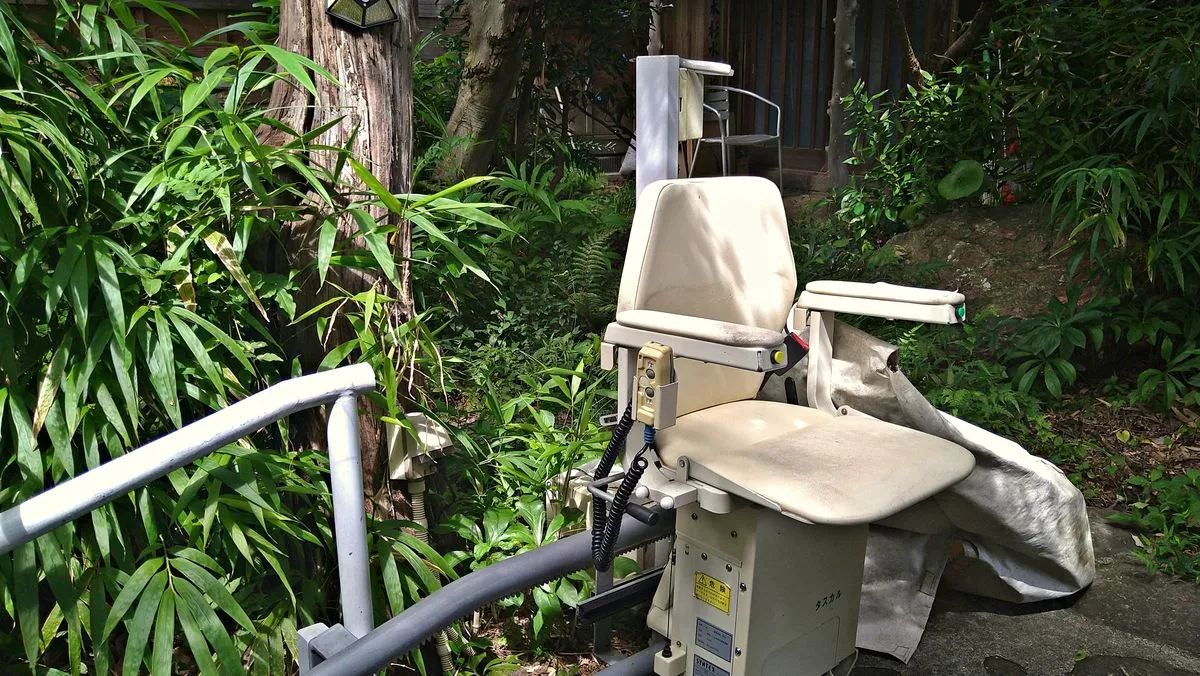
Best Stair Lift for Curved Stairs 2026: 5 Models Compared & How to Buy
Key takeaways
- The best stair lift for curved stairs is a custom-railed model from an established brand — Acorn 180, Stannah curved, Bruno Elite Curved, Handicare Freecurve, and AmeriGlide Rave 2 Curved all fit winding staircases.
- Curved stair lifts cost $8,000–$15,000+ installed in 2026, roughly 3x a straight lift, because the rail is custom-fabricated to your staircase's exact geometry.
- Curved stairlifts cannot be bought off the shelf — you must go through a dealer for an in-home survey, custom rail fabrication, and professional installation.
- If your staircase has a landing, two straight stair lifts (one per flight) often cost 30–50% less than a single custom curved unit — ask dealers to quote both.
- Every curved stairlift runs on batteries (12V sealed lead-acid) — budget a battery replacement every 2–5 years, the one wear item you can buy yourself online.
The best stair lift for curved stairs in 2026 is a custom-railed model from an established mobility brand: the Acorn 180 (Curved), Stannah 600 curved, Bruno Elite Curved, Handicare Freecurve 1100, and AmeriGlide Rave 2 Curved all fit staircases with turns, landings, and spirals. Expect $8,000–$15,000+ installed — the custom rail alone is half the project cost — and buy through a local dealer, because curved lifts are made to order after an in-home survey.
Unlike straight stair lifts, which use a commodity rail that ships in a box, a curved stair lift's rail is fabricated one at a time to match every bend, landing, and pie-shaped step in your staircase. That single fact drives every buying decision: the price, the lead time, the brands worth considering, and why you cannot simply order one online the way you would a straight lift. This guide compares the five strongest curved-stairlift options for 2026, explains what pushes quotes above $15,000, and shows how to get the right one for your staircase without overpaying.
Why curved stair lifts cost 3x what straight ones do
A straight stair lift is a product. A curved stair lift is a project. The rail — typically 50–70% of the total — is measured with laser surveying equipment, engineered in CAD to follow your exact staircase geometry, then bent, welded, and finished in a factory before a technician spends a full day installing and calibrating it. That is why straight lifts run $3,500–$6,000 installed while curved installations land in the $8,000–$15,000 range, with spiral staircases and very long runs with multiple turns going higher.
The other costs layered on top: the chair carriage itself ($2,500–$4,500 — seat, motor, batteries, controls), installation labor ($800–$2,000 for the full-day alignment and safety calibration), a nearby electrical outlet for the charging point ($150–$500 if an electrician is needed), and staircase modifications such as handrail relocation or door clearance ($0–$2,000). Reputable dealers itemize all of these; lump-sum quotes hide the comparisons that matter. For the full itemized breakdown, see our curved stairlift cost guide.
One more cost driver worth understanding before the comparisons: modular rails versus true custom rails. Some brands fabricate the entire rail from scratch for your staircase; others assemble modular rail sections into a close approximation of your curve. Fully custom rails ride smoother and last longer; modular rails can be installed faster and sometimes cost less, at the price of a slightly bumpier ride on tight bends. Ask any dealer which method they use — it is one of the most revealing questions you can ask.
AJC Battery Compatible with Savaria K2 12V 7Ah Stairlift Battery

The one stairlift part actually sold on Amazon: sealed 12V backup batteries every curved stairlift needs replacing every 2-5 years; listing verified live 2026-10-19.
*Affiliate Disclosure: As an Amazon Associate, Elevate Home earns from qualifying purchases. Pricing and availability subject to change.
The 5 best stair lifts for curved stairs in 2026
Every brand below makes a curved model built on a custom or modular rail surveyed to your home. They differ in price, ride quality, rail fabrication method, and warranty terms — the four things that actually separate a good curved installation from an expensive disappointment.
Acorn 180 (Curved) is the volume leader — the curved sibling of the ubiquitous Acorn 130 straight lift. Its single-tube rail and fold-away design keep the staircase usable for everyone else in the house, and Acorn's direct-sales model usually produces the lowest installed quotes. The tradeoff: the single-rail design and standardized chair offer fewer customization options than premium brands, and read the maintenance contract closely for what aftercare actually costs after the warranty period.
Stannah's curved offering (600 series) is the choice when the staircase geometry is the hard part — tight spirals, pie-shaped steps, multi-turn runs. Stannah fabricates the rail fully custom in CAD rather than assembling modules, which shows up as the smoothest ride on complex layouts. It is also the priciest of the five, and the brand's dealer network is strongest on the coasts.
Bruno Elite Curved wins on ride quality. Bruno's enclosed-gear drive system produces noticeably less noise and vibration than exposed-gear designs — a genuine daily-life difference if the lift runs past bedrooms. Bruno also publishes higher weight capacities than most (400–450 lb curved configurations), making it the natural pick for heavier users. Expect mid-to-upper-range quotes.
Handicare Freecurve 1100 is the engineering pick for narrow staircases: it uses one of the slimmest curved rails on the market, and its four-motor, grease-free drive means less rail maintenance over the lift's life. Now owned by Savaria, Handicare sits in the mid-market sweet spot — better specification than the budget leaders without the Stannah premium. Note that aftercare quality depends heavily on the installing dealer, so vet the installer as hard as the brand.
AmeriGlide Rave 2 Curved is the budget anchor. Made in the USA with a self-installation option on simpler curved layouts (always get a dealer quote alongside), it regularly undercuts the European brands by 15–25%. The warranty terms are the thing to scrutinize: compare parts coverage year by year against Acorn and Bruno before deciding the savings are real.
What to look for when buying a curved stair lift
The lift matters less than the survey and the contract. Because the rail is custom, the installer is part of the product — a misaligned rail causes failures that the manufacturer's warranty may not cover. Get three in-home quotes from dealers certified in the brand you are considering, and make every quote itemize: custom rail fabrication, chair model and options, installation labor, electrical work, survey fee terms, and the full warranty with parts-versus-labor coverage broken out by year.
On features, prioritize these four. First, weight capacity with margin: buy 50–100 lbs above the user's weight, because running a lift near its limit shortens motor and battery life. Second, the swivel seat — powered swivel seats ($500–$1,000) are worth it at the top of the stairs, where a safe exit matters most. Third, automatic folding rail ($800–$1,500) if the rail would otherwise block a doorway at the bottom of the stairs. Fourth, battery backup trip count: every quality curved lift runs on batteries and recharges at park points, giving you 5–20 trips during a power outage. Confirm the number in writing, and ask what the battery replacement interval and cost will be.
Finally, measure your staircase honestly before the survey: width under 28 inches pushes you toward the slimmest rails (Handicare territory); continuous spiral bends push quotes toward the top of the range; and outdoor curved stairs add $2,000–$4,000 in weatherproofing premiums. A dealer who measures and photographs everything is a dealer worth paying. For how curved lifts compare to the alternative of a home elevator, read our stairlift vs home elevator comparison.
Smart ways to pay less for curved stair access
Four legitimate strategies cut the bill. 1. Two straight lifts instead of one curved. If your staircase has a landing or 90-degree turn, two straight units — one per flight, transferring at the landing — typically cost 30–50% less than a single custom curved installation. Ask every dealer to quote both configurations. 2. Reconditioned chairs on new rails. The custom part is the rail, which is always new; the chair carriage can be refurbished, saving 20–30% with a solid warranty from the dealer.
3. Rentals for temporary needs. Post-surgical recovery of a few months does not justify a $12,000 installation — several dealers rent curved units for the chair carriage plus installation and removal fees. 4. Negotiate the quote like a project, not a product. Curved lift pricing is quote-based, so get three written estimates and compare line items, not totals. Dealers routinely sharpen pricing when they know a competitor measured your stairs this week. Do not skip the stairlift maintenance and repair cost guide before signing — knowing the 10-year service cost changes the math on every quote.
One maintenance cost every curved-stairlift owner will eventually pay: the backup batteries. Every lift above runs on a pair of sealed 12V batteries that recharge at the park points and need replacing every 2–5 years ($100–$300 for the pair through a dealer — or far less if you buy the cells yourself and follow the manual). A dead backup battery is the most common cause of getting stranded during an outage, so this is the one wear item worth staying ahead of.
Frequently asked questions
Can you buy a curved stair lift on Amazon?
No. Curved stair lifts have custom-fabricated rails surveyed to your staircase, so they are sold only through local dealers after an in-home measurement. What you CAN buy on Amazon are the consumable parts every lift needs — notably the sealed 12V backup batteries, which owners replace every 2–5 years.
How much does a stair lift for curved stairs cost in 2026?
Installed prices run $8,000–$15,000+, with spiral staircases and long multi-turn runs going higher. The custom rail is 50–70% of the cost; the chair, installation labor ($800–$2,000), and electrical work make up the rest. Always get itemized quotes from three certified dealers.
Can two straight stair lifts replace one curved stair lift?
Yes, when the staircase has a landing or a 90-degree turn: install one straight lift per flight and transfer at the landing. This typically costs 30–50% less than a custom curved installation. It does not work for continuous spiral bends, where the staircase never straightens out.
Will a curved stair lift work during a power outage?
Briefly — yes. Quality curved lifts run on battery power and recharge at park points, giving roughly 5–20 trips on a full charge. Replace the backup batteries every 2–5 years; a dead battery is the most common reason a lift fails during an outage.
Acorn vs Stannah vs Bruno: which curved stair lift is best?
For budget, the Acorn 180 Curved usually quotes lowest. For complex spiral geometries, Stannah's fully custom CAD rail rides smoothest. For the quietest daily ride and higher weight capacities, the Bruno Elite Curved leads. Get all three quoted on YOUR staircase — the survey and installer quality matter as much as the brand.
Keep reading
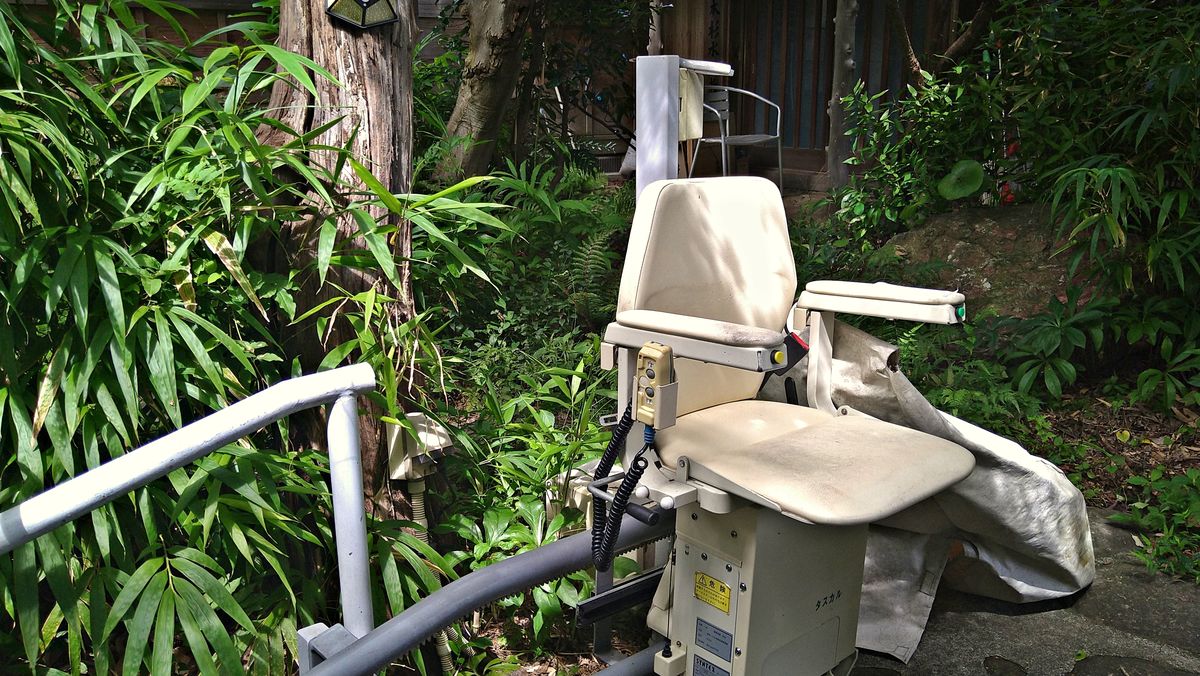
Mobility
Curved Stairlift Cost Guide: 2026
Curved stairlift cost guide for 2026: why custom rails cost more, lead times, new vs refurbished math, rentals…
Aging in Place · Mobility
Best Stair Lift Brands 2026 Acorn vs Bruno vs Stannah: Which Is Worth Your Money?
Acorn vs Bruno vs Stannah stair lifts compared for 2026: installed costs, warranty, reliability, and which bra…
Decision Guide
Stairlift vs Home Elevator: Which Lift Is Right for You?
Stairlift vs home elevator compared: 2026 costs, space needs, installation timelines, and resale impact to hel…
True Cost of Ownership
Stairlift Maintenance & Repair: Annual Cost Guide
Stairlift maintenance and repair costs explained: service contracts, batteries, common repairs, and realistic …
Interactive Tool
Aging in Place Renovation Cost Estimator 2026 Guide
Budget your aging-in-place renovation with our interactive estimator. Price accessible bathrooms, kitchens, el…
Transfer Equipment
100A vs 200A Automatic Transfer Switch
100 amp vs 200 amp transfer switch: service-entrance vs subpanel topology, when each is required, costs, and l…