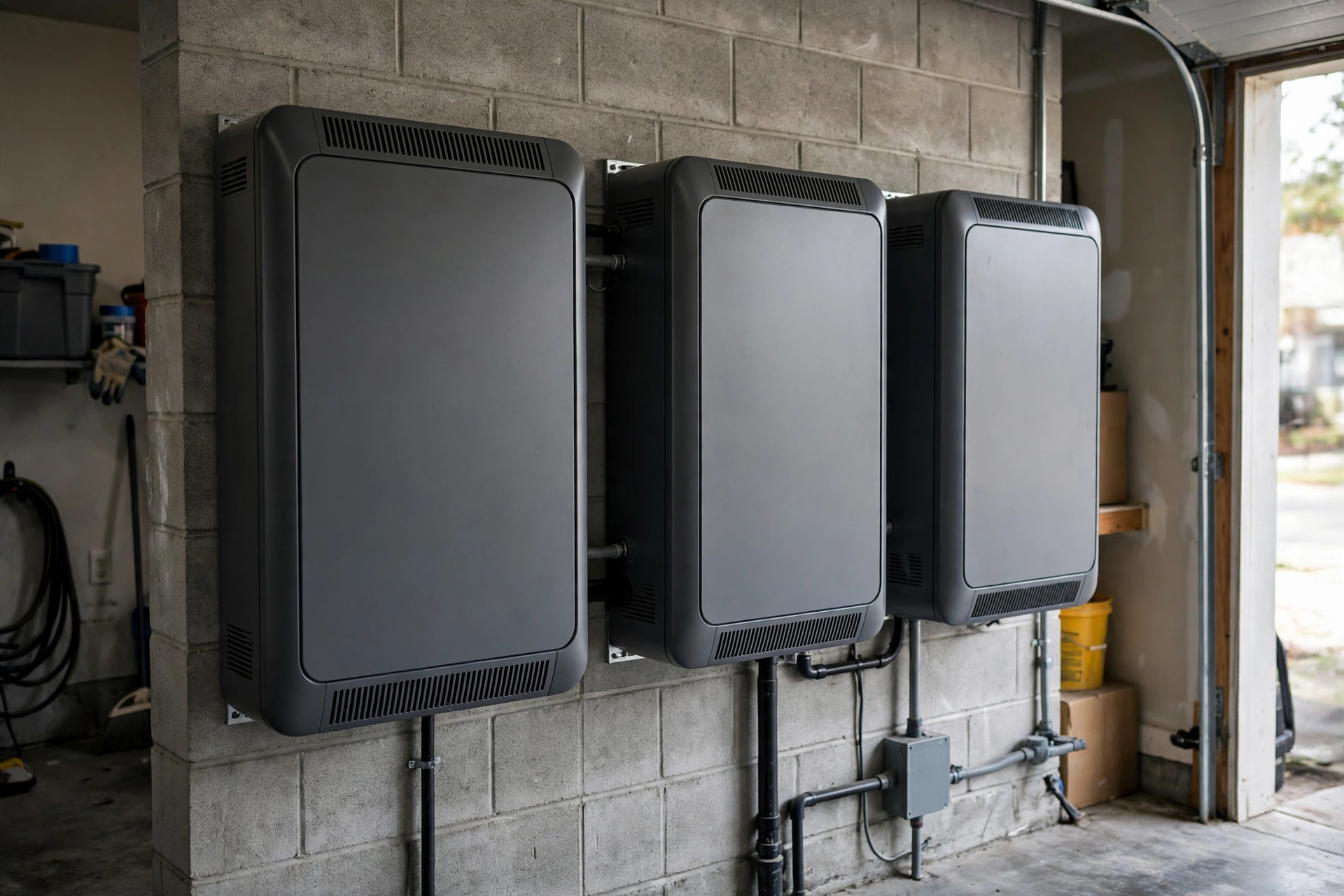
Can You Add a Battery to an Existing Generac Generator? 3 Ways It Works (2026)
Key takeaways
- Yes — but you add storage alongside the generator, not inside it: the generator keeps making power, the battery stores it and covers quiet, short outages.
- Generac's own PWRcell is the only route with native generator-to-battery handoff, and it is a dealer-installed system, not a plug-in add-on.
- An AC-coupled battery works with almost any existing Generac standby unit, because it connects to your home's electrical panel rather than to the generator itself.
- A portable whole-home power station is the only route that needs no rewiring of the Generac system — useful for renters, or as a first step before a wired battery.
- Because the generator already covers long outages, most Generac owners need far less battery than a solar-only home — often one modest unit, not a wall of them.
Can you add a battery to an existing Generac generator? Yes — you can add battery storage to a home that already has a Generac standby generator, but you do not wire a battery into the generator itself. Instead you add storage alongside it, so the battery handles short outages quietly and the generator takes over — and recharges the battery — when an outage drags on.
That distinction matters, because "add a battery" means two completely different things in Generac homes, and mixing them up is how owners end up buying the wrong thing. This guide separates them, compares the three real routes, and shows how much battery you actually need once a generator is already doing the heavy lifting.
First, Which Battery Do You Mean? Starter Battery vs. Storage Battery
Every Generac standby generator already has a battery — a small 12-volt starter battery, much like a car battery, whose only job is to crank the engine. If that battery dies, the generator will not start, even though the engine, fuel supply and transfer switch are all fine. Replacing it is routine maintenance, covered in Generac's own support guidance on selecting and replacing a battery for a home standby generator, and it is not the same as adding home battery storage.
A storage battery is a different animal entirely. It is a large lithium battery, usually 9 to 18 kilowatt-hours (kWh) for a wired home system, that stores electricity and feeds your home's circuits through an inverter. It does not help the generator start. It helps your home ride through the first minutes or hours of an outage silently, without fuel, and it can be recharged by the grid, by solar panels, or — in the right setup — by the generator itself.
So when a homeowner asks whether they can add a battery to an existing Generac generator, the honest answer is: you cannot bolt storage onto the generator, but you can absolutely build a generator-plus-battery system around it. The rest of this guide is about that system.
EF ECOFLOW DELTA Pro Ultra 12kWh Power Station

Large LiFePO4 whole-home battery a Generac owner can add alongside the generator without rewiring it; expandable, 240V output, recharges from generator output
*Affiliate Disclosure: As an Amazon Associate, Elevate Home earns from qualifying purchases. Pricing and availability subject to change.
The Three Ways to Add Storage Alongside a Generac Generator
There are only three practical routes, and they differ mainly in how tightly the battery talks to the generator. The tighter the integration, the more seamless the outage experience — and the more installer work it takes.
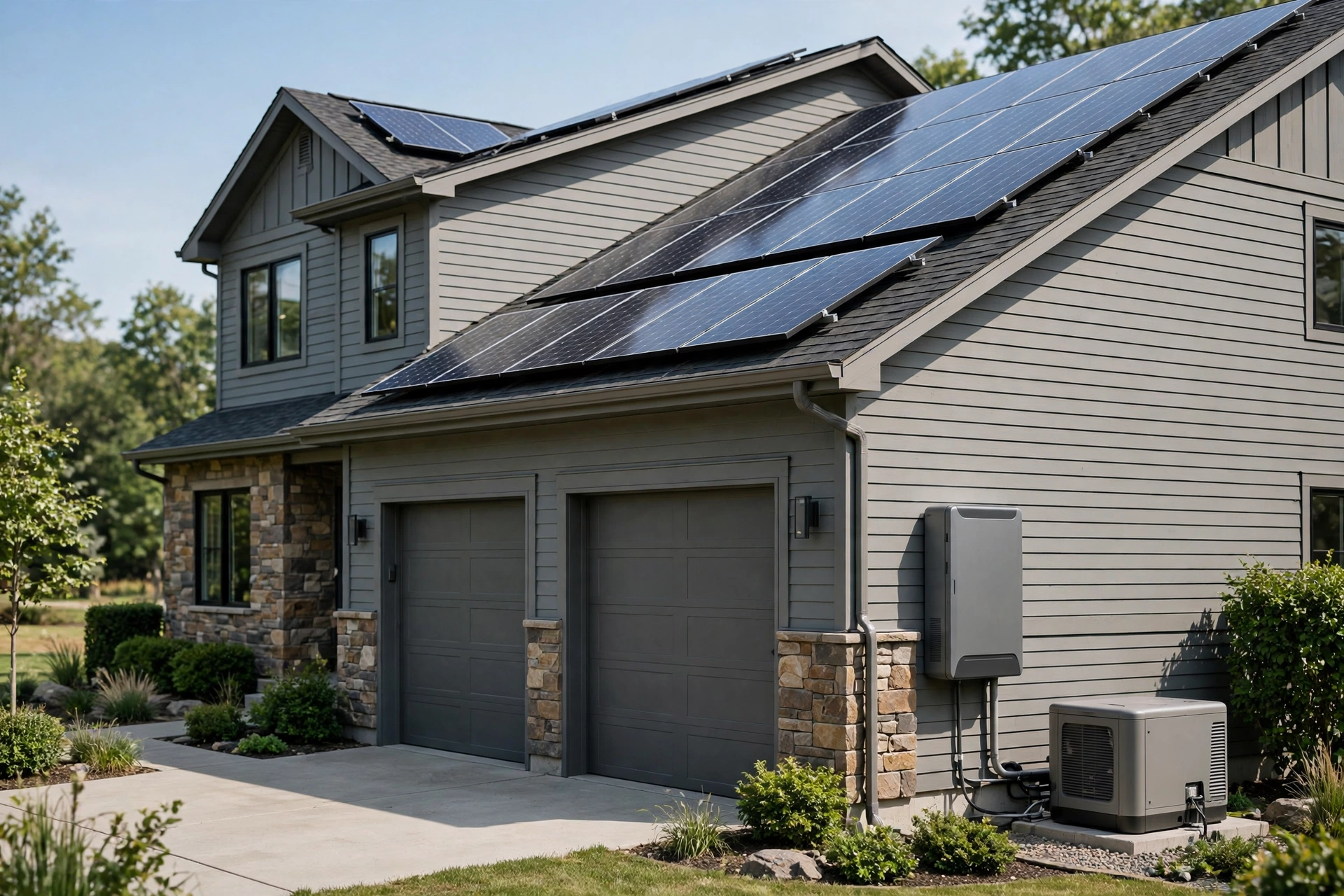
Route 1 — Generac PWRcell. This is Generac's own storage system, and it is the only option built from the start to coordinate with a Generac standby generator. Generac describes the pairing as virtually endless backup, subject to fuel availability: the battery carries the home first, and when it drops to a set threshold during an outage, the generator starts, powers the home, and recharges the battery, then hands back. A single PWRcell 2 cabinet scales from 9 to 18 kWh in 3 kWh modules, and a second cabinet can take a system to 36 kWh. The catch is that it is a dealer-installed, permitted system — you cannot buy it as a standalone box and plug it in, and its cost is an installed-system cost, not a retail price. If you already own a Generac generator and want the cleanest possible pairing, get a quote from a Generac dealer who can confirm compatibility with your exact generator model and transfer switch.
Route 2 — An AC-coupled battery. "AC-coupled" simply means the battery connects on the AC side of your home's wiring, at the panel, rather than sharing a DC bus with solar panels or with the generator. That is why it fits almost any existing Generac installation: the generator does not need to know the battery exists. During a normal outage, the battery's inverter islands your backed-up circuits and the generator's transfer switch does its usual job — but the two systems must be configured so they do not fight each other. The classic conflict is a battery inverter and a generator both trying to be the grid-forming source at the same time, or a generator trying to back-feed a battery that is already full. A competent installer solves this with transfer-switch sequencing and, where needed, a separate backed-up panel. This route is the most common retrofit for existing Generac owners, and it is the subject of our AC-coupled battery retrofit cost guide.
Route 3 — A portable whole-home power station. This is the route most people overlook, and for some homes it is the right first step. A large lithium power station — the class of unit that delivers 240-volt output and 6 to 12 kWh or more, expandable with extra batteries — can sit in the garage, run a refrigerator, lights, internet and medical devices through an outage, and be recharged from the wall, from solar, or from the generator's output once the generator is running. It does not integrate with the Generac transfer switch, and it will not automatically take over the whole house. What it does offer is zero rewiring of the Generac system, portability, and a much lower entry cost than a wired battery. For a detailed look at the sizing logic behind this class of unit, see our battery-generator hybrid sizing guide.
How a Generator and a Battery Actually Share an Outage
Picture a six-hour outage in a home with both systems. The sequence, in the best-configured setups, looks like this. First, the grid drops and the battery inverter takes over backed-up circuits in milliseconds — lights barely flicker, the internet stays up, and nothing needs fuel. If the outage is short, the generator may never start at all, which is the whole point: no noise, no fuel burn, no warm-up cycle for a 20-minute blip.
If the outage continues and the battery approaches its reserve threshold, the generator starts. In a native PWRcell setup this handoff is automatic. In an AC-coupled or portable setup it may be manual, or it may be arranged so the generator powers the home while the battery rests and recharges. Either way, the generator is now the long-duration engine: it can run for days on natural gas or propane, while the battery covers the gaps — the generator's start-up delay, refuelling pauses, and the overnight hours when you would rather not listen to an engine.
There is one hard rule underneath all of this: only one source can form the island at a time. When the grid is down, your home becomes its own little grid, and the inverter or the generator — not both at once — sets the voltage and frequency. That is why generator-plus-battery retrofits are installer work, not do-it-yourself wiring, even when the battery itself is a portable unit with a simple plug. The installer is not just adding capacity; they are deciding who is in charge at each moment of the outage.
How Much Battery Do You Need When a Generator Already Does the Heavy Lifting?
A solar-only home needs a battery sized to get through the night and, ideally, to the next morning's sun. A Generac home does not. The generator is the long-duration backup, so the battery's job shrinks to three things: covering short outages silently, bridging the generator's start-up and refuelling gaps, and letting you run the generator fewer hours per day during a long outage — for example, running it in daytime blocks and letting the battery carry the night.
That changes the sizing math dramatically. The table below uses typical household loads to show what different battery sizes actually buy a Generac owner. These are planning estimates, not guarantees: a refrigerator's compressor surge, a well pump, and an electric range will change the numbers fast.
Our 10 kWh vs 13.5 kWh vs 20 kWh comparison walks through the same tiers in more detail, and our guide to adding a battery to existing solar covers the extra wrinkle that appears when solar panels are in the mix too: a grid-tied solar array shuts down during an outage unless the battery system islands it, so solar-plus-generator-plus-battery needs the same careful sequencing, with one more source to coordinate.
What It Costs, and What the Installer Has to Change
Installed cost depends far more on the route than on the battery's nameplate size. A portable whole-home station is a retail purchase with no panel work, so its total cost is essentially the unit plus any optional home-integration panel. A wired AC-coupled battery adds installer labour, a backed-up subpanel, permits and, in some homes, a panel upgrade — costs that can rival the battery itself. A native PWRcell system is priced as a whole installed system through a dealer, and it is the most expensive of the three routes, because you are paying for the integration, the load management and the warranty chain, not just kilowatt-hours.
What the installer actually changes is smaller than most owners expect. In a typical AC-coupled retrofit, the existing Generac transfer switch stays. The installer adds a battery inverter and, usually, a critical-loads subpanel that holds the circuits the battery is allowed to feed. They re-route those circuits, set the battery's reserve so it never drains itself flat before the generator can take over, and test the sequence: grid failure, battery takeover, generator start, generator stop, grid return. If your home already has a well pump, an electric range or a large heat pump on the backed-up side, expect a conversation about load shedding — the battery cannot start everything at once, and the installer will either move those loads off the backed-up panel or add a load controller such as Generac's PWRmanager.
Permits and utility rules also apply, and they vary by jurisdiction. Most utilities require notification or approval for a battery that can island, and some require a specific disconnect. Your installer should handle this, but it is worth asking explicitly: "Will you file the interconnection paperwork, and does my utility require a separate inspection for storage?" If the answer is vague, get a second quote.
What Will Not Work: Five Mistakes Generac Owners Make
1. Wiring a battery directly into the generator's output. A standby generator's output is not a charger for a home battery, and a home battery's inverter is not a load you can just plug into a generator outlet and call integrated. Direct, unsequenced connections risk back-feeding, inverter damage and voided warranties.
2. Assuming any battery will auto-recharge from any generator. Only a natively integrated system does this automatically. With an AC-coupled battery or a portable station, recharging from the generator is possible but may be manual, and it needs the installer's sign-off on the sequence.
3. Buying storage capacity you do not need. A Generac owner who buys 30 kWh "just in case" is paying for silent capacity that a generator already provides for a fraction of the running cost. Size the battery for the silent hours you actually want, not for the worst outage you can imagine.
4. Putting motor loads on a battery that cannot start them. Well pumps, air conditioners and older refrigerators draw several times their running wattage at startup. If the battery inverter cannot supply that surge, it will trip — even if the running load looks modest on paper.
5. Skipping the dealer-compatibility check. Generac's generator and battery lines evolve, and not every generator model, transfer switch and PWRcell generation pair cleanly. Before committing to the native route, confirm in writing that your exact generator model is supported, and what happens to your existing generator warranty.
The Verdict: Which Route Fits Your Home?
If you want one system that thinks for itself and you plan to stay in the home long enough to justify dealer-installed pricing, the native PWRcell route is the honest answer — get a dealer quote for your exact generator and transfer switch before deciding anything else. If you already have a Generac and simply want storage added with the least disruption, an AC-coupled battery wired into a critical-loads panel is the most flexible retrofit, and it keeps your generator and your battery as two systems that cooperate rather than one system that must be replaced together. And if you want a battery this month, without permits, panel work or a dealer appointment, a portable whole-home power station is a legitimate first battery — it will not run the whole house automatically, but it will keep the essentials going, it can be recharged from the generator, and it can move with you if you move.
Whichever route you choose, start from the same question: how many silent hours do you actually want, and which circuits must never go dark? Answer that, and the battery size — and the route — usually chooses itself. For the head-to-head that most Generac shoppers end up reading next, see our Generac PWRcell vs Tesla Powerwall comparison and our generator-solar-battery hybrid guide.
Frequently asked questions
Can I connect a battery directly to my Generac generator?
No. A home storage battery does not wire into the generator itself. It connects to your home's electrical system — through a dealer-installed Generac system, an AC-coupled inverter at the panel, or as a standalone power station — and the installer sequences the two sources so only one forms the island during an outage.
Will a Generac generator charge a home battery during an outage?
In a native Generac PWRcell system, yes, automatically: the generator starts when the battery runs low, powers the home and recharges the battery. With an AC-coupled battery or a portable power station, recharging from the generator is possible but is usually manual or installer-configured, not automatic.
Do I need solar panels to add a battery to a Generac home?
No. A battery can charge from the grid on ordinary days and from the generator during an outage, with no solar at all. Solar adds a third source and more sequencing complexity, but it is not a requirement for storage.
Can I add a portable power station instead of a wired battery?
Yes, and for many homes it is the simplest first step. A large portable whole-home station can run critical circuits through an outage, needs no rewiring of the Generac system, and can be recharged from the generator's output. It will not automatically take over the whole house the way a wired system does.
Does adding a battery void my Generac generator warranty?
Adding a properly installed, compatible storage system should not void the generator warranty, but an unsequenced or unauthorised wiring change can. Get compatibility confirmed in writing by a Generac dealer or a qualified installer before any work, and keep the installer's documentation with your generator records.
Keep reading
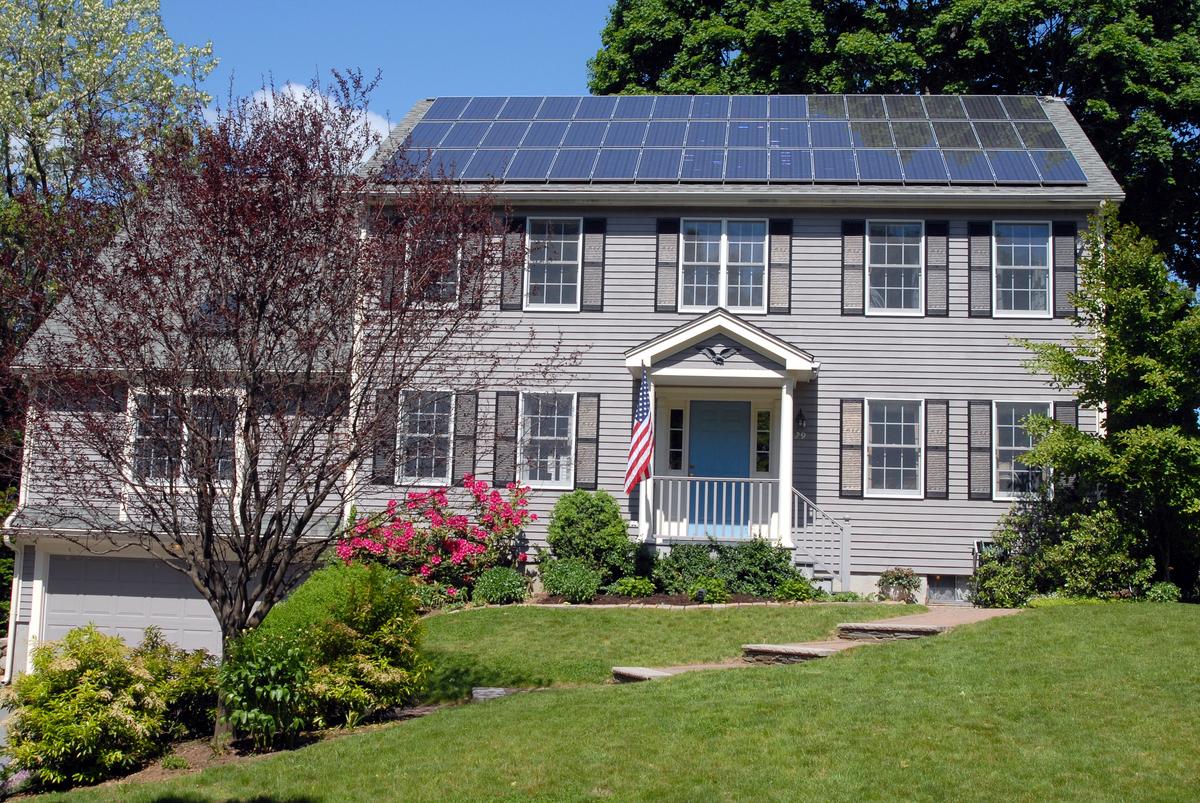
Retrofit Guide
How to Add Battery to Existing Solar: 2026 Retrofit Guide
How to add battery to existing solar in 2026: AC vs DC coupling, inverter compatibility, net-metering impacts,…
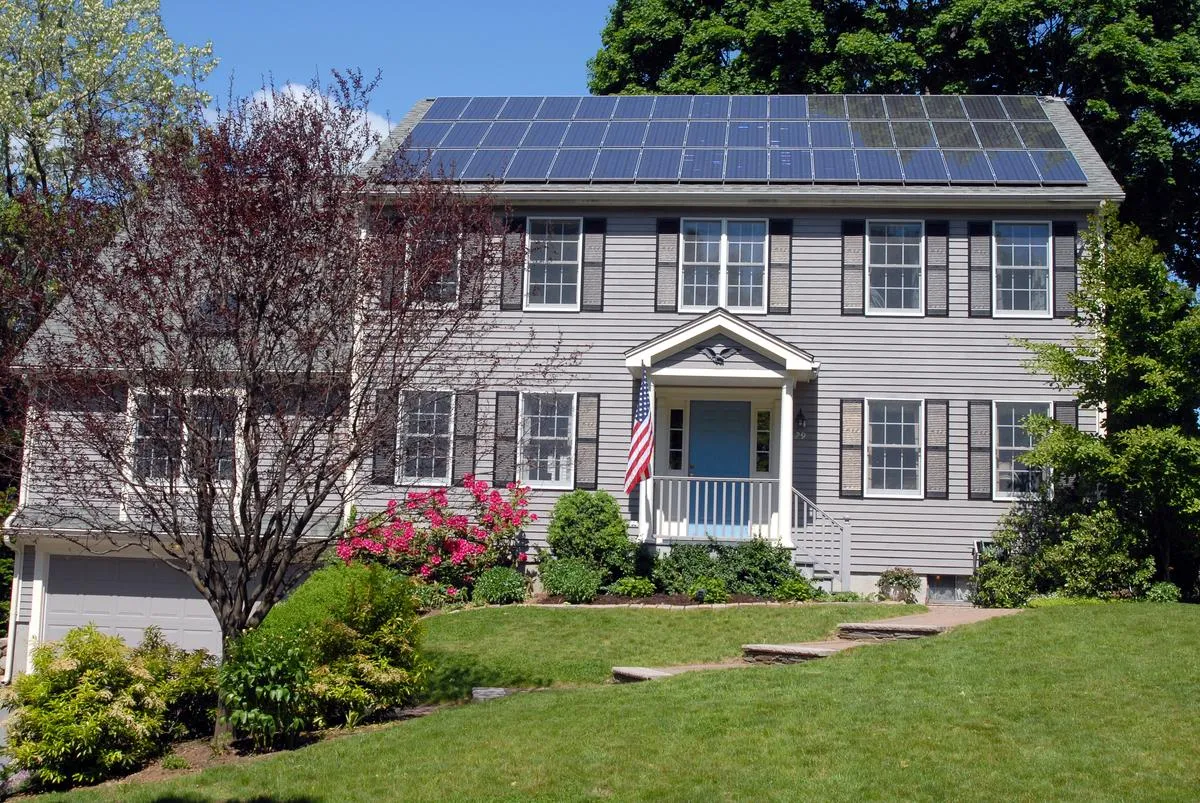
Pillar 01 · Energy Resilience
AC Coupled Battery Retrofit Cost 2026: What Adding Storage Really Costs
AC coupled battery retrofit cost in 2026: installed price ranges, what drives them up, and how AC coupling com…
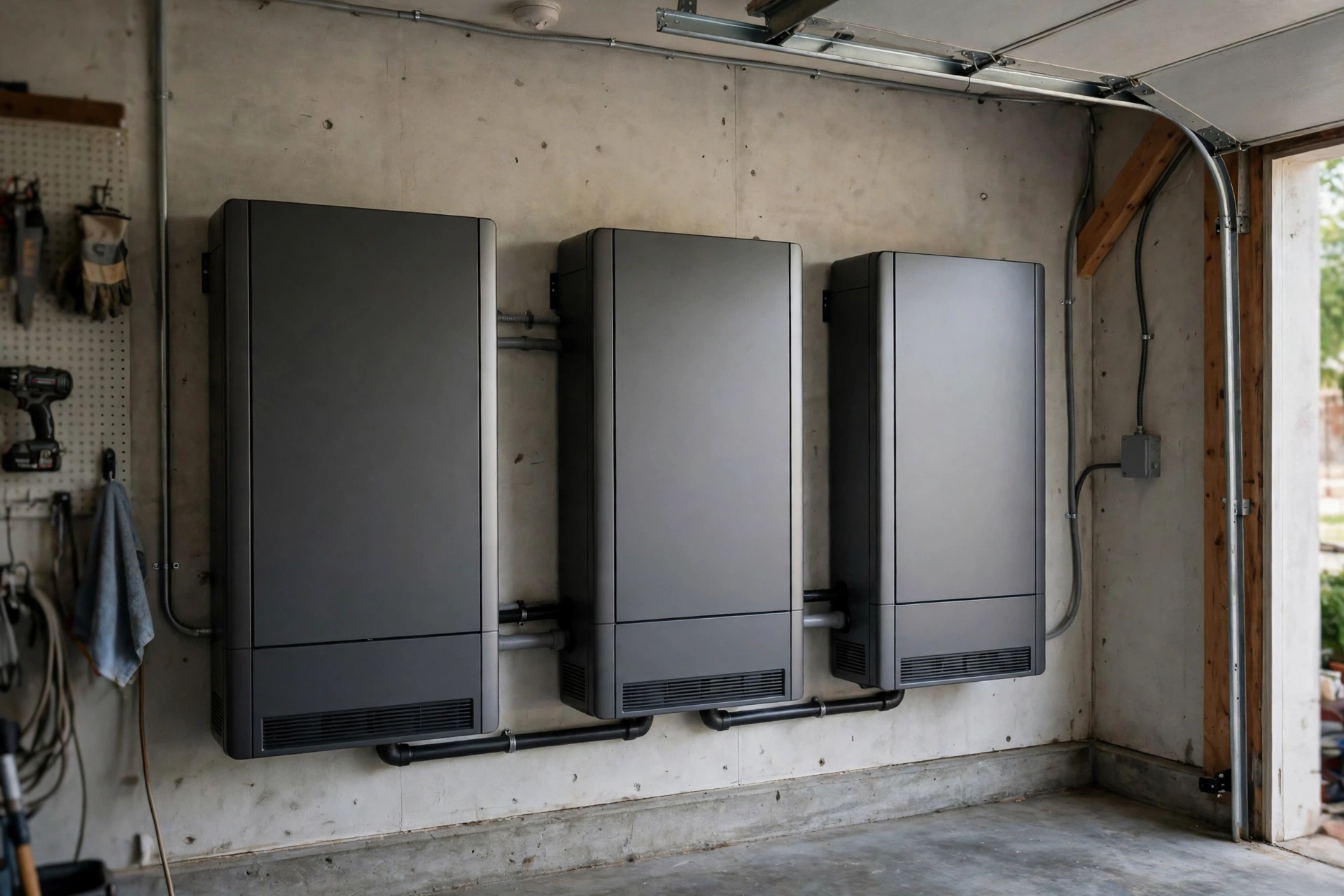
Battery Comparisons
Generac PWRcell vs Tesla Powerwall 3: 2026 Comparison
Generac PWRcell vs Tesla Powerwall 3 compared for 2026: power output, expandability, solar integration, apps, …
Hybrid Backup Systems
Generator + Solar + Battery Hybrid Homes
How a generator with solar and battery backup works as one system: handoffs, integration hardware, sizing each…
Hybrid Backup Systems
Battery + Generator Hybrid Sizing Guide
Battery and generator hybrid sizing guide: how much battery for the night shift, how much generator for heavy …
Pillar 01 · Energy Resilience
10kWh vs 13.5kWh vs 20kWh Home Battery: Which Size Is Right? (2026)
10kWh vs 13.5kWh vs 20kWh home battery compared: usable capacity, backup runtime, solar pairing, and which tie…