Protective Covers for Outdoor Appliances
Protective covers for outdoor kitchen appliances: best materials, custom vs. universal fit, ventilation to prevent moisture damage, care, winter storage, and costs.
10 MIN READ · UPDATED 2026-09-23
Key takeaways
- A quality cover is the cheapest life-extension in the outdoor kitchen: $150-$600 per appliance versus $400-$900 to repair corrosion damage.
- Solution-dyed acrylic canvas is the gold standard; vented designs prevent the trapped-moisture corrosion that cheap waterproof covers cause.
- Buy the smallest cover that fits with a few inches of ease, with buckle straps and sealed or taped seams, never elastic-only hems.
- Never cover hot equipment, never cover wet equipment in humid climates without airing it out, and winterize plumbed appliances separately.
- Replace covers on condition (tears, delamination, failed fasteners), typically every 3-7 years depending on fabric and sun exposure.
Outdoor kitchen appliances live a hard life: UV radiation, rain, freeze-thaw cycles, salt air, grease, and months of disuse between seasons. A protective cover is the simplest, cheapest life-extension device in the entire outdoor kitchen — a fitted barrier that keeps water out of electronics, sun off finishes, and debris out of burners. Yet covers are where owners make the most expensive small mistakes: a cheap universal cover that traps moisture and rots what it was meant to protect, a “waterproof” vinyl that cracks in the first freeze, or no cover at all because the grill “looks fine.” Quality custom covers in 2026 run $150–$600 per appliance, a rounding error against a $5,000 grill's lifespan. This guide covers materials, fit, ventilation, care, and when covers are not enough.
Why Covers Matter More Than Owners Think
Every failure mode of outdoor appliances is accelerated by exposure. UV radiation breaks down plastics, fades powder-coat finishes, and embrittles control-panel membranes. Water intrusion corrodes burners and igniters, swells particle-board components in budget cabinetry, and freezes inside gas valves and regulators. Grease plus moisture breeds the corrosion that kills grill fireboxes from the inside. And debris — leaves, pollen, nesting insects — clogs burner ports and vents, causing the uneven heating and ignition failures that owners blame on the appliance.
A cover interrupts all four at once. The economics are lopsided: replacing corroded burners and a dead igniter on a premium grill can run $400–$900 in parts and service; a quality cover costs a fraction of that and prevents the failure in the first place. For electronics-heavy appliances — pellet grills with controllers and auger motors, outdoor refrigerators, ice makers — water intrusion is the killer, and a cover is the primary defense during the off-season and between uses.
Covers also protect the investment's appearance, which matters for resale and for the daily pleasure of the space. Stainless steel that has weathered uncovered for three seasons develops tea-staining and pitting that no polish fully reverses; stone counters etch and stain; powder-coat chalks. A kitchen that is covered between uses looks five years younger than one that is not — which, over the life of a $50,000+ project, is real money.
Materials: What Actually Survives Outdoors
Cover fabrics fall into three tiers. Solution-dyed acrylic canvas (the marine-grade fabric used for boat covers and premium awnings) is the gold standard: the color is dyed through the fiber so it cannot fade, it breathes enough to release trapped moisture, it resists mildew, and it survives a decade of sun. Expect $300–$600 per appliance for custom covers in this fabric. Heavy-duty polyester with PU coating is the mid-tier workhorse: genuinely waterproof, reasonably UV-stable for 3–5 years, and the basis of most quality universal covers at $80–$250. PVC/vinyl-coated fabrics are fully waterproof and cheap, but they trap moisture underneath, crack in freezing temperatures, and degrade fastest in UV — acceptable for mild climates and short seasons, a poor choice for year-round northern exposure.
Look past the fabric to the construction details: double-stitched or heat-sealed seams (stitched seams leak unless sealed), rust-proof grommets and hardware, reinforced wear points where the cover meets sharp corners, and tie-downs or buckle straps that keep the cover on in real wind — elastic hems alone fail in the first serious storm. Handles or lift straps make removal less of a wrestling match, which matters because a cover that is annoying to remove gets left off.
Treat waterproof versus breathable as the central trade-off. Fully waterproof covers keep rain out but trap condensation underneath — the classic cause of “the cover rotted my grill” stories. Breathable or vented covers release moisture but may mist through in wind-driven rain. The best designs do both: waterproof fabric with built-in vents positioned to exhaust moist air without admitting rain. Whatever you buy, never cover a grill that is still hot or a smoker with warm coals — trapped heat plus a synthetic cover is a fire and melt hazard.
Fit: Custom, Semi-Custom, or Universal
Custom covers, made to the appliance's exact dimensions (many premium grill makers sell fitted covers for their own models), are worth the premium for built-in and high-value equipment. They fit snugly without billowing in wind, cover exactly what needs covering without dragging on the ground (where covers wick up moisture and dirt), and usually include the right venting and access flaps. For a $4,000+ built-in grill, the $300–$600 custom cover is obvious.
Semi-custom and sized universal covers — sold by dimension ranges rather than exact models — are the sensible middle for standard freestanding grills, pizza ovens, and patio heaters at $80–$250. Measure the appliance's height, width, and depth and buy the smallest size that fits with a few inches of ease; an oversized cover flaps, abrades finishes, and catches wind like a sail. Cheap one-size universals ($30–$60) are better than nothing for a season but plan on replacing them annually — and inspect what is underneath, because their poor venting can do more harm than good in humid climates.
For island runs and built-in kitchens, consider full-run covers that drape the entire counter line rather than individual appliance covers: one cover to remove instead of five, complete protection for counters and cabinetry, and a cleaner look in the off-season. Custom full-run covers run $500–$1,500 depending on length and fabric. Alternatively, some owners in mild climates skip appliance covers entirely and invest in a roofed structure — but a roof stops rain, not humidity, UV bounce, or salt air, so high-value electronics still deserve individual covers under a roof.
Ventilation, Moisture, and the Mold Problem
The number-one cover failure is trapped moisture: condensation forms under the cover as temperatures swing, cannot escape, and spends weeks against steel and electronics. The result is corrosion, mildew, and musty odors that owners discover in spring. Prevention has three parts. First, buy covers with mesh vents — usually positioned high on the sides — that let moist air out while shedding rain. Second, never cover wet equipment: let the grill cool and dry after its last use before covering, and in humid climates, uncover periodically on dry days to air things out. Third, in coastal and humid regions, consider moisture-absorber products (rechargeable desiccant units) inside covered cabinets and under large covers during the off-season.
Mold and mildew on the cover itself is a maintenance issue, not a defect: brush off debris regularly, wash the cover with mild soap and water at least seasonally, and let it dry completely before reinstalling. Never use bleach or harsh solvents on coated fabrics — they destroy the waterproof coating. If a cover develops a persistent musty smell, an enzyme-based cleaner usually resolves it; if the coating is delaminating or the fabric tears easily, the cover is done — replace it rather than nursing it.
For winter storage in freezing climates, the protocol is: deep-clean the appliance, disconnect and store propane tanks separately per code (never indoors), remove batteries from electronic igniters, apply a light coat of food-safe oil to cast-iron surfaces, ensure everything is bone dry, then cover with a vented, winter-rated cover secured against wind. Come spring, uncover, inspect, and run a full cleaning before the first cook — the fifteen minutes of inspection catches the regulator, hose, and burner issues that cause the season's first round of service calls.
Covers for Specific Appliances: Grills, Ovens, and Refrigeration
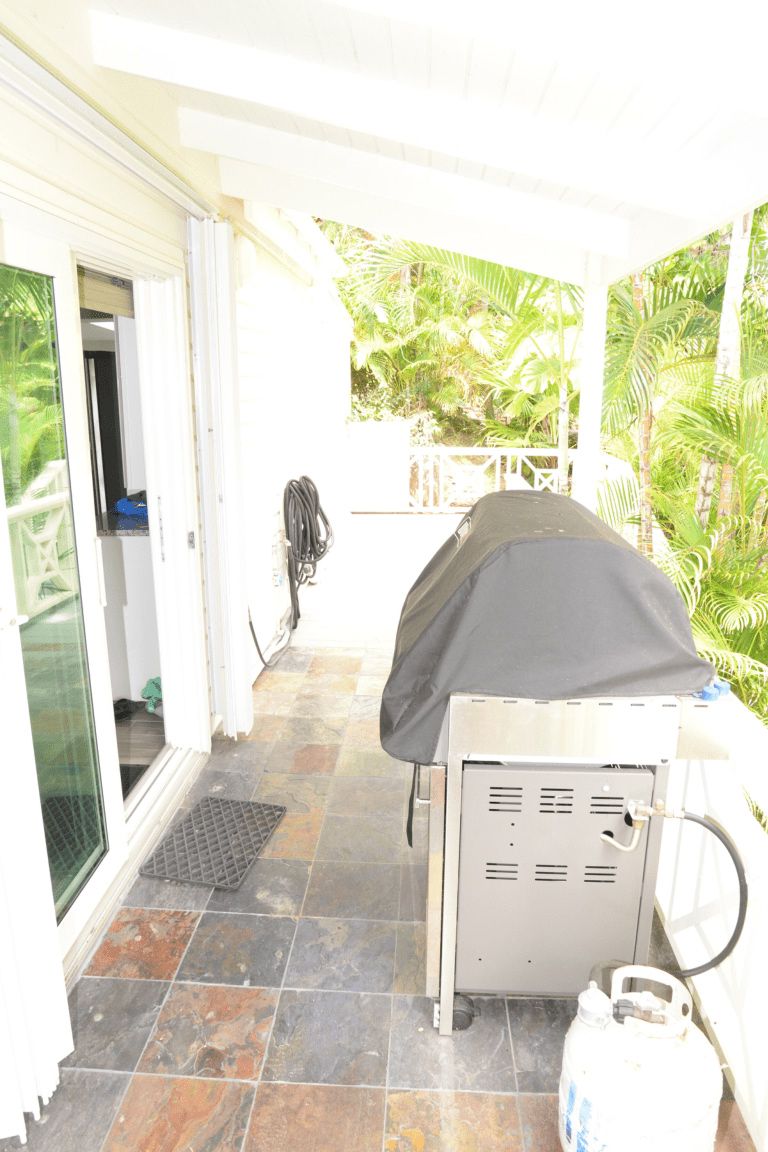
Different appliances need different cover thinking. Gas grills — the most commonly covered item — want a vented, fitted cover that protects the firebox and controls while letting the grease-tray area breathe; always confirm the grill is fully cool, and leave the propane tank connected or disconnected per the manufacturer's guidance, never enclosed in a way that traps leaking gas. Pellet grills and smokers deserve the best covers you own: their controllers, auger motors, and pellet hoppers are the most water-sensitive components in the outdoor kitchen, and a hopper full of pellets that absorbs moisture swells into a concrete-like mass that jams the auger. Empty or seal the hopper before long idle stretches.
Pizza ovens need covers sized for their bulk and chimney: moisture inside a wood-fired oven degrades the refractory insulation over time and grows mold on stored wood, so a breathable cover plus a chimney cap is the right combination. Outdoor refrigeration and ice makers benefit from covers mainly in the off-season; during serving season they run constantly and generate their own heat, and covering a running compressor unit restricts the airflow it needs. Sinks and faucets need no covers but do need winterization — a cover over an unwinterized faucet just hides the freeze damage until spring.
For heaters, fire pits, and fire features, covers serve a second purpose beyond weather protection: they signal “not in use” and keep curious hands and wind-blown debris away from burners and ignition systems. And for the island cabinetry itself, full-run covers protect door seals, hinges, and interior contents from the dust and pollen that otherwise accumulate all season. When budgeting covers, walk the finished kitchen and list every item with electronics, burners, or fabric — that list, not just the grill, is the cover shopping list.
Care, Lifespan, and When Covers Are Not Enough
Storage for the covers themselves is the detail that determines whether they get used. A cover with no home becomes a crumpled, dirty pile that nobody wants to handle — so it stays off. Dedicate a ventilated deck box or a wide, shallow drawer in the island to cover storage, positioned where the covers come off. Folded, dry, and within arm's reach, covers go back on in thirty seconds; the habit survives because the friction is gone.
A quality cover lasts 3–7 years depending on fabric tier and sun exposure — solution-dyed acrylic at the high end, coated polyester in the middle, vinyl at the low end. Extend its life by keeping it clean, storing it dry when removed for long stretches (a dedicated storage bench or deck box near the kitchen beats a crumpled pile in the garage), and repairing small tears promptly with fabric repair tape before they propagate. Faded but intact covers still protect; torn, delaminating, or non-securing covers do not — replace on condition, not on a schedule.
Be honest about what covers cannot do. They do not stop salt-air corrosion entirely in coastal zones — they slow it dramatically, but marine environments still demand 316-grade stainless and regular rinsing. They do not protect against freeze damage to plumbed appliances — ice makers, sinks, and water lines need proper winterization regardless of covering. They do not substitute for pest management — covered grills are attractive nesting sites, so inspect burner boxes for insect nests each spring. And they cannot save equipment that is already failing; covering a rusting grill preserves the rust.
The final frame: covers are the highest-ROI maintenance in the outdoor kitchen. A few hundred dollars and the thirty-second habit of covering up after cooking buys years of appliance life, better performance, and a kitchen that looks the way it did when it was new. Build the habit into the household routine — cover on when the cooking is done, like locking the front door — and the covers will quietly do the most cost-effective work in the backyard.
Frequently asked questions
Solution-dyed acrylic canvas is the best: fade-proof, breathable, mildew-resistant, and good for up to a decade of sun. Heavy-duty coated polyester is a solid mid-tier choice for 3-5 years. Cheap PVC/vinyl covers are fully waterproof but trap moisture and crack in freezing temperatures, making them a poor long-term choice.
Ideally both: waterproof fabric with built-in mesh vents. Fully waterproof unvented covers trap condensation underneath, which causes the corrosion and mildew owners blame on the cover. Vents positioned high on the sides release moist air while shedding rain.
For built-in or premium appliances, yes. Custom covers fit snugly without billowing, include proper venting and access flaps, and do not drag on the ground wicking moisture. At $300-$600 against a $4,000+ grill, the math is strongly in favor. Sized universal covers ($80-$250) are fine for standard freestanding equipment.
A roof stops rain but not humidity, UV bounce, salt air, or dust, so electronics-heavy appliances like pellet grills still deserve individual covers under a roof. Full-run covers over the whole island are an efficient alternative, protecting counters and cabinetry too.
Deep-clean everything, disconnect and store propane tanks separately per code, remove igniter batteries, oil cast-iron surfaces lightly, confirm all water lines and ice makers are winterized and dry, then cover with vented winter-rated covers secured against wind. Inspect burners, hoses, and regulators before the first spring cook.
Typically 3-7 years: solution-dyed acrylic at the high end, coated polyester in the middle, vinyl shortest. Extend life with seasonal washing in mild soap, dry storage when removed, and prompt repair of small tears. Replace when fabric tears easily, coatings delaminate, or fasteners no longer secure.