Winterizing Outdoor Kitchen: 2026 Cold-Climate Guide
Key takeaways
- Shut off and fully drain every water line before the first hard freeze — burst pipes are the costliest winter damage.
- Deep-clean grills, disconnect propane, empty and unplug refrigeration, and cover every appliance with breathable, fitted covers.
- Reseal porous stone and concrete each fall and repair small cracks before freeze-thaw cycles widen them.
- Gas and electrical winterization belongs to licensed pros — never DIY beyond the shutoff valve.
- Spring recommissioning means slow repressurization, leak checks, line flushing, and a gas leak test before first use.
A luxury outdoor kitchen is a serious investment — and in cold climates, winter is its biggest enemy. Burst water lines, cracked stone, corroded burners, and appliances that never quite recover from a season of ice are the price of skipping a proper shutdown. The good news: winterizing outdoor kitchen equipment takes a weekend, costs far less than a single repair, and becomes second nature after one season.
This guide is written for homeowners in the northern US and Canada — roughly anywhere north of the 40th parallel, plus high-elevation regions further south. If your winters regularly dip below freezing for weeks at a time, consider this your annual playbook.
Why Freeze Damage Is So Expensive
Water expands by about 9% when it freezes, and that expansion is relentless. A water line with even a small amount of trapped water can split copper, crack PVC fittings, and destroy faucet cartridges. Ice makers are particularly vulnerable: their small-diameter lines and solenoid valves fail early and expensively. Refrigeration compressors don't love sustained deep cold either — many outdoor-rated units are only rated down to a specific temperature floor, and running (or even sitting in) conditions below that can shorten their life.
Freeze-thaw cycling is the other quiet killer. Porous stone and concrete absorb water; when that water freezes and thaws repeatedly, the surface spalls and flakes. Many contractors report that the majority of outdoor kitchen surface damage they repair each spring is freeze-thaw related, not wear and tear.
Weber Genesis II Heavy-Duty Weatherproof Grill Cover (7130)

UV-inhibited polyester protects expensive stainless burners from rain
*Affiliate Disclosure: As an Amazon Associate, Elevate Home earns from qualifying purchases. Pricing and availability subject to change.
When to Winterize
Timing beats heroics. Aim to complete your shutdown before the first hard freeze — typically:
- Upper Midwest, New England, and most of Canada: mid to late October.
- Mid-Atlantic and Pacific Northwest: November, but watch early cold snaps.
- High-elevation West (Colorado, Utah): early to mid October; freeze can arrive overnight.
If an unexpected early freeze is forecast and you haven't finished, prioritize the water shutdown — that single step prevents the costliest damage.
Step 1: Shut Down and Drain the Water Lines
This is the non-negotiable step. Every line serving the outdoor kitchen — sink supply, ice maker, pot filler, beverage center, misting system — needs to be drained or blown out.
The process
- Close the interior shutoff valve feeding the outdoor run. Well-designed outdoor kitchens have a dedicated shutoff inside the house; if yours doesn't, have a plumber install one — it's a modest job that pays for itself in convenience.
- Open all outdoor faucets and let gravity drain the lines.
- Blow out the lines with compressed air (40–50 PSI max for most residential lines) to clear low spots and dips that gravity misses. A small shop compressor works; keep pressure low to protect fittings.
- Drain the ice maker per the manufacturer's instructions: disconnect the supply, drain the reservoir, and leave the bin dry with the door or lid propped open slightly to prevent mildew.
- Winterize the sink trap. Pour RV-safe (propylene glycol) antifreeze into drains and traps — never automotive antifreeze — to keep residual water from cracking the trap.
If any of your plumbing runs through unconditioned space and you can't fully drain it, call a licensed plumber rather than improvising. A burst line inside a wall is a five-figure problem.
Step 2: Protect the Appliances
Outdoor appliances are built tough, but they still need a proper send-off.
- Grills and side burners: Deep-clean the grates and grease management system — rancid grease plus moisture equals corrosion. Disconnect propane tanks and store them upright outdoors (never in a garage or enclosed space). For natural gas grills, shut the gas valve and cap the line if your installer provided a cap; have a licensed gas technician handle anything beyond the shutoff valve.
- Refrigeration: Empty, clean, and unplug. Prop the door open to prevent mold. If the unit is rated for outdoor use down to low temperatures, some owners leave it running through mild winters — check your manual's temperature floor first.
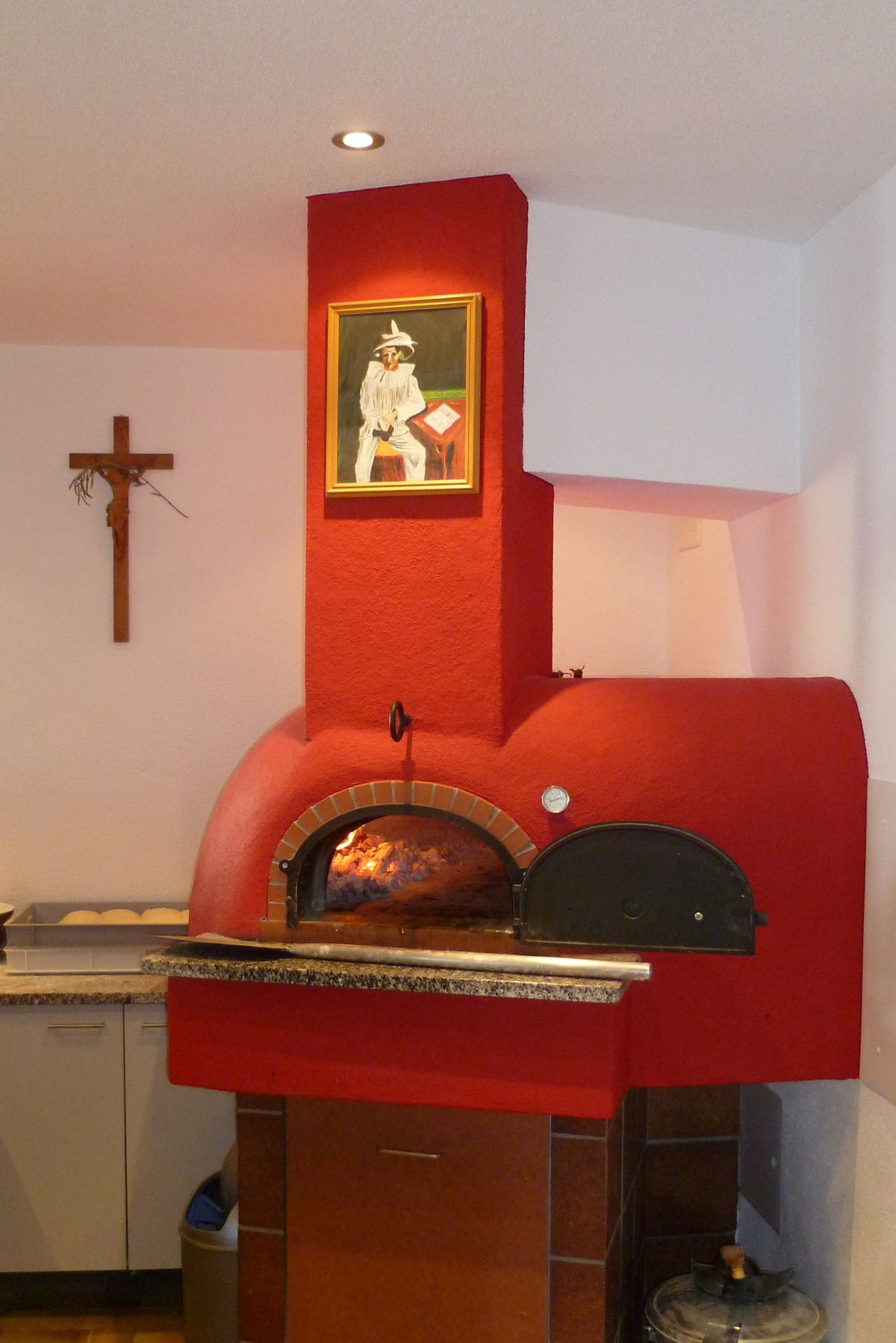
- Pizza ovens and smokers: Clean thoroughly, cover the chimney or vent to keep out rain and nesting animals, and latch doors shut.
- Disconnect and store small electrics — blenders, portable burners — indoors.
A contractor we spoke with put it bluntly: ninety percent of the spring service calls he gets are water damage and grease-fire residue — both entirely preventable with a two-hour shutdown in October.
Step 3: Covers and Storage
Quality covers are worth every penny. Look for heavy-duty, UV-stable, breathable covers sized for each appliance — cheap tarps trap moisture and abrade finishes in the wind. Secure covers with straps or bungees so winter storms can't turn them into sails.
Bring cushions, textiles, and anything fabric indoors or into sealed deck boxes. Empty and store trash and recycling bins so they don't become ice-blocked. If you have a pergola or roof structure, clear gutters and check that drainage directs water away from the kitchen footprint — ice dams above an outdoor kitchen cause spring leaks in cabinetry.
Step 4: Freeze-Thaw-Proof the Surfaces
Before the first freeze, inspect countertops, masonry, and pavers:
- Reseal porous surfaces. Natural stone and concrete should be sealed annually; fall is the ideal time. A penetrating sealer blocks the water absorption that drives freeze-thaw spalling.
- Repair cracks now. Small cracks in mortar or concrete widen dramatically over a winter of freeze-thaw cycles. Patch them in fall.
- Protect wood elements. Teak and cedar survive winter fine, but a fresh coat of appropriate oil or sealer before the cold adds years of life.
- Clear the area. Remove planters and decor that trap moisture against surfaces, and make sure the kitchen's drainage still flows freely.
Step 5: Gas and Electrical — Call the Pros
For natural gas lines, have a licensed gas fitter verify the shutoff, check for leaks, and cap or winterize the line per local code. Electrical work — disconnecting hardwired appliances, servicing outdoor panels or subpanels — belongs to a licensed electrician. Pull permits where your jurisdiction requires them; gas and electrical modifications almost always do.
Spring Recommissioning Checklist
When daytime temperatures reliably stay above freezing:
- Remove covers and inspect everything for winter damage, pest intrusion, or corrosion.
- Reconnect water lines, pressurize slowly, and check every joint and faucet for leaks before turning the ice maker back on.
- Flush the lines — run each faucet for several minutes — before using water for food or drink.
- Reconnect propane or have your gas fitter recommission the natural gas line; leak-test all connections.
- Clean the grill, check igniters and burners, and run a burn-off cycle.
- Plug in refrigeration and confirm it reaches temperature before stocking it.
- Re-seal stone and concrete if water no longer beads on the surface.
What Winterization Typically Costs
Costs are 2026 US market ranges; get itemized local quotes. Most homeowners handle the basic shutdown themselves in a few hours; professional help is worth it for plumbing blowouts, gas work, and anything you're unsure about.
| Task | DIY cost | Professional service (typical range) |
|---|---|---|
| Water line shutdown & blowout | $0–$40 (compressor time, antifreeze) | $150–$400 from a licensed plumber |
| Appliance deep-clean & cover | $60–$250 (covers) | $200–$500 as part of a maintenance visit |
| Natural gas line winterization | Not a DIY job | $150–$350 from a licensed gas fitter |
| Stone/concrete resealing | $40–$120 (sealer) | $300–$800 depending on square footage |
| Full professional winterization package | — | $500–$1,200 for a complete kitchen |
Set against the cost of a single burst-line repair — many contractors report $2,000–$8,000 once water damage to cabinetry is included — winterization is some of the cheapest insurance a homeowner can buy.
Frequently asked questions
When should I winterize my outdoor kitchen?
Start before the first hard freeze — typically mid to late October in the Upper Midwest, New England, and most of Canada, and November in the Mid-Atlantic and Pacific Northwest. If an early freeze is forecast, prioritize shutting off and draining the water lines first, since burst pipes cause the most expensive damage.
How do I drain the water lines properly?
Close the interior shutoff valve, open all outdoor faucets to drain by gravity, then blow out the lines with compressed air at 40–50 PSI to clear low spots. Drain the ice maker per the manufacturer's instructions and pour RV-safe propylene glycol antifreeze into sink traps. If lines run through unconditioned space you can't fully drain, hire a licensed plumber.
Do I really need covers for everything?
Yes — invest in heavy-duty, UV-stable, breathable covers sized for each appliance, and strap them down against winter wind. Cheap tarps trap moisture and can abrade finishes. Covers protect against snow load, ice, UV, and debris, and they meaningfully extend the life of grills, refrigeration, and pizza ovens.
What should I do with the gas supply for winter?
Store propane tanks upright outdoors, never in a garage or enclosed space, and disconnect them from the grill. For natural gas, shut the valve at the grill and have a licensed gas fitter winterize or cap the line per local code. In spring, have connections leak-tested before firing anything up.
Can I leave my outdoor refrigerator running all winter?
Empty, clean, and unplug it, and prop the door open to prevent mold. Some outdoor-rated units can run through mild winters, but only if the ambient temperature stays above the manufacturer's rated floor — check your manual. When in doubt, shut it down; compressors are expensive to replace.
What is the spring startup checklist?
Remove covers and inspect for damage or pests, then reconnect water slowly and check every joint for leaks before restarting the ice maker. Flush all lines for several minutes before using water for food or drink. Reconnect gas (with a leak test), clean the grill, confirm refrigeration reaches temperature, and reseal stone if water no longer beads.
Keep reading
Cost Guide
Outdoor Kitchen Cost in 2026: What $25K–$150K Buys
2026 outdoor kitchen cost guide: $25K–$150K+ builds compared tier by tier — what's included, what drives price…
Buyer's Guide
Best Outdoor Kitchen Appliances: 2026 Buyer's Guide
Best outdoor kitchen appliances for 2026, tier by tier: Weber to Kalamazoo. Grills, pizza ovens, refrigeration…
Design Guide
Outdoor Kitchen Ideas & Layouts for Entertaining 2026
Outdoor kitchen ideas & layouts for entertaining: L-shape, galley, island & U-shape designs, work zones, seati…
Buying Guide
Outdoor Pizza Oven Buying Guide: 2026 Expert Picks
Shopping for an outdoor pizza oven in 2026? Compare wood, gas, and dual-fuel on heat, flavor, capacity, and co…
Materials Guide
Outdoor Kitchen Countertops: 2026 Materials Compared
Compare outdoor kitchen countertops for 2026: granite, concrete, porcelain, stainless, and soapstone on heat, …
Interactive Tool
Outdoor Kitchen Budget Planner: Plan Your Build Cost
Planning an outdoor kitchen? Our budget planner breaks costs into structure, appliances, countertops, and more…