Smart Mailboxes & Package Protection: 2026 Guide
Smart mailboxes and package protection in 2026: locking mailboxes, parcel boxes, cameras, delivery alerts, USPS placement rules, and real installed costs.
10 MIN READ · UPDATED 2026-09-22
Key takeaways
- Treat delivery as a four-layer system — deterrence, physical security, detection, and process — because no single gadget stops porch piracy alone.
- USPS-approved locking mailboxes ($150–$400) solve letter theft; confirm placement with your local postmaster and check HOA rules before changing curbside appearance.
- A properly sized parcel drop box ($200–$800) is the highest-impact single purchase; measure your typical largest parcel and buy one size up.
- Steel mailboxes block wireless signals, so test mail-arrival sensors with the box closed before permanent mounting, or use an external-mount sensor.
- For irreplaceable or high-value shipments, hold-for-pickup and carrier redirect options cost nothing and beat any box left on the porch.
Every year, more of what your household buys arrives in a cardboard box left on the porch — and porch piracy has grown right alongside e-commerce. For affluent households, the losses are not just the occasional missing parcel: prescription deliveries, high-value electronics, and time-sensitive documents all sit exposed for hours. The fix is a layered system, not a single gadget: a locking mailbox for letters, a secure parcel solution for boxes, cameras that actually deter, and alerts that tell you the moment something arrives. Here is how to build that system in 2026, what USPS rules allow, and what it costs.
The Package Problem: Why One Gadget Is Never Enough
Porch piracy persists because the economics favor the thief: a box on a doorstep is visible from the street, unguarded for hours, and trivial to grab. Doorbell cameras helped, but footage alone rarely recovers a package — by the time you see the alert, the box is gone. The households that actually stop losing packages treat delivery as a system: make the package hard to see, hard to grab, and quick to retrieve.
That system has four layers. Deterrence (cameras, lighting, signage) raises the perceived risk. Physical security (locking mailboxes, parcel boxes) removes the opportunity. Detection (mail-arrival sensors, package alerts) shrinks the window of exposure by telling you to retrieve items fast. And process (delivery instructions, hold-for-pickup for high-value items, a neighbor or household staffer who brings boxes inside) closes the gaps technology cannot. No single layer is sufficient; together they are formidable.
Start by auditing your own exposure for a week. Note when carriers typically arrive, how long boxes sit, which entrance is visible from the street, and what you most often receive. A household getting daily small parcels needs a different solution than one receiving weekly high-value shipments. This audit takes ten minutes and prevents the classic mistake: buying an impressive locking mailbox that does not fit the boxes you actually get.
Locking Mailboxes: What USPS Rules Actually Allow
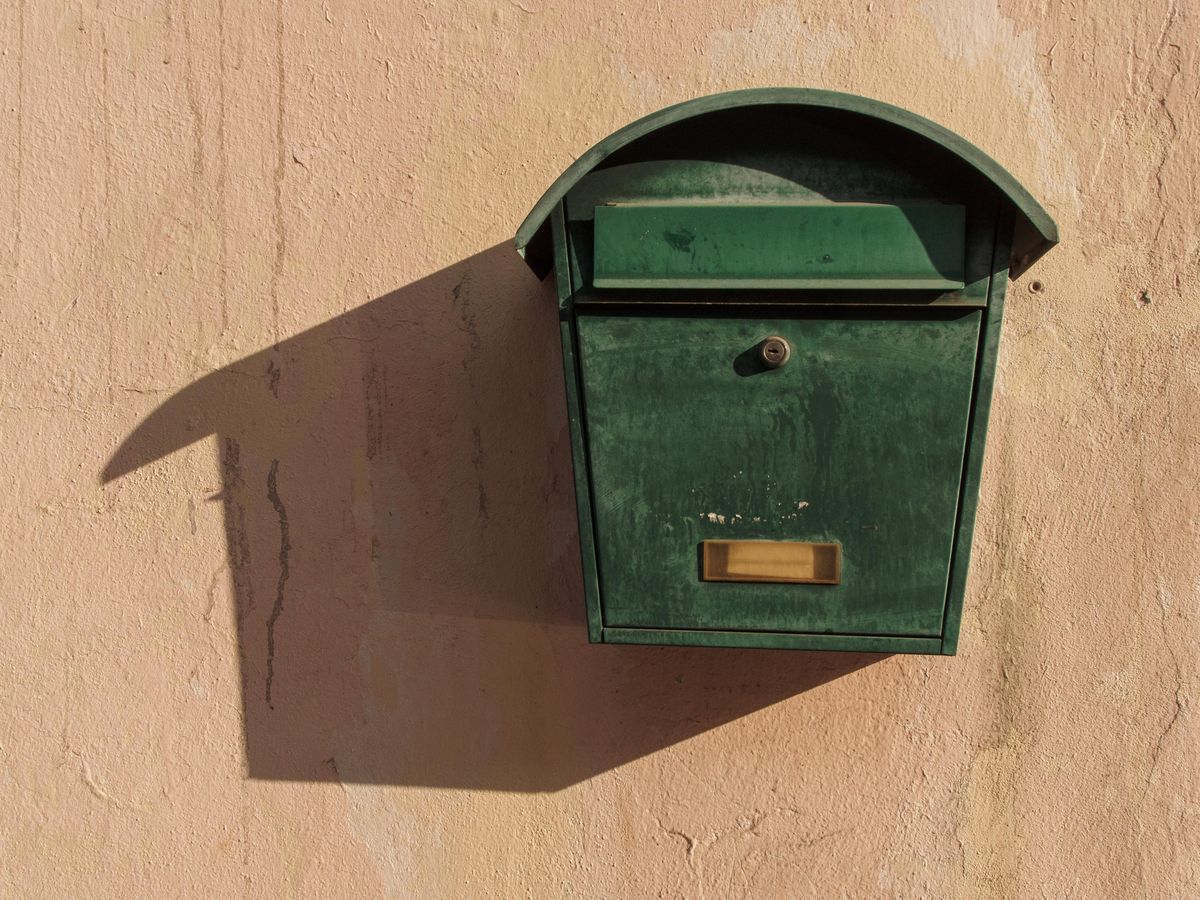
For curbside delivery, the USPS approves specific locking mailbox designs — look for USPS-approved labeling when you shop. The standard design has an incoming-mail slot the carrier can use without a key and a locked compartment you open with yours. Outgoing mail goes in a separate slot or clip the carrier can access. These boxes solve letter and small-parcel theft completely for a few hundred dollars, and carriers use them every day without issue.
The rules that trip people up are about placement and modification. Curbside boxes must meet USPS positioning standards (height, setback from the curb, and clear approach), and your local postmaster has the final word on placement — a quick call before you pour a concrete pad saves real grief. Do not modify an approved box in ways that block the carrier’s access, and never install anything that requires the carrier to carry a key or code for routine delivery. If you are in an HOA, check architectural rules before changing the curbside look; many HOAs standardize mailbox designs, and some will allow locking models from an approved list.
For neighborhoods with cluster box units, individual changes are generally not yours to make — the boxes belong to the USPS or the HOA. If parcel lockers in the cluster are always full (a common complaint), raise it with the HOA or property manager rather than bolting things to federal equipment. Apartment and condo dwellers should push building management toward parcel-room solutions instead.
Parcel Boxes and Lockers: Securing the Boxes Themselves
Letters are easy; the 18-inch cube from the electronics store is the real problem. Standalone parcel boxes — steel drop boxes with a one-way parcel slot and a locked retrieval door — are the most popular residential answer, running $200–$800 depending on size, steel gauge, and finish. The delivery driver drops the box through the top slot; it falls into a locked chamber. Good ones accept multiple parcels and bolt to concrete so they cannot be carried off.
Sizing is everything: measure your typical largest parcel and buy one size up, because an undersized box just means drivers leave packages beside it. Look for a wide parcel slot (at least 10–12 inches), weather sealing, and a finish that matches the house — at this price point it is a visible fixture. Some households prefer through-wall parcel doors installed in a garage wall, so parcels land inside the locked garage; these are excellent but require cutting the wall, which means a contractor, and in some jurisdictions a permit.
For the highest-value shipments, consider the simplest option of all: redirect the risk. Hold-for-pickup at the carrier facility, delivery to a staffed office or UPS/FedEx store location, and carrier apps’ delivery-manager features cost nothing and eliminate exposure entirely for items like jewelry, documents, or expensive electronics. No box on the porch beats a box that was never on the porch.
Cameras, Lighting, and Delivery Alerts That Deter
Cameras deter when they are visible, well-lit, and obviously recording — a discreet doorbell camera alone is evidence collection, not deterrence. Pair the doorbell camera with a clearly visible porch or driveway camera, motion-triggered lighting bright enough to read by, and consider a small sign noting video recording (check local recording-notification laws, which vary by state). Thieves choose the dark, unmonitored porch two doors down.
Modern camera systems add package detection: AI-based alerts that distinguish a delivered box from a passing car and notify you specifically. Tune the detection zone to the actual drop spot and set alerts to go to whoever can act on them — an alert to someone at the office is just anxiety unless a household member or neighbor can retrieve the box. Two-way talk lets you speak to the driver through the doorbell camera; a surprising number of drivers will hide a package or bring it to a side door if you ask in real time.
Leave delivery instructions in each carrier’s app: gate codes, “leave behind the planter,” side-door preferences. Drivers follow instructions when they are specific and short. And keep the porch itself uninviting to opportunists: a lockable storage bench or deck box near the door gives drivers somewhere to tuck smaller parcels out of street view, which costs $150–$400 and needs no wiring at all.
Smart Mailbox Sensors: Knowing the Moment Mail Arrives
The cheapest upgrade in this whole system is a mail-arrival sensor — a small tilt, vibration, or contact sensor inside the mailbox that pings your phone when the door opens. At $25–$60 plus a compatible hub, it shrinks your exposure window from “whenever I remember to check” to minutes. For households with medication or check deliveries, that alone is worth it.
The catch is physics: a steel mailbox is a Faraday cage that blocks wireless signals. Sensors inside metal boxes routinely fail to report. Solutions that actually work include mounting the sensor on the outside rear of the box, using a sensor with an external probe, placing a compatible repeater or hub closer to the curb, or choosing a sensor on a longer-range protocol. Test before you permanently mount — trigger the sensor with the box closed and confirm the alert arrives.
Battery life in an outdoor sensor runs one to two years in most climates; extreme cold shortens it. And keep expectations honest: a sensor tells you mail arrived, not that it is safe. Pair it with the habit — or the household routine — of retrieving mail promptly. Technology plus a five-minute walk beats technology alone every time.
Keeping the System Working: Maintenance and Seasonal Checks
A package-protection system degrades quietly, and the failure mode is always the same: the week it matters is the week a battery died or a camera lens fogged. Put the system on a simple twice-yearly check — tie it to daylight-saving clock changes so you actually remember. Clean every camera lens and check night-vision clarity after dark; spider webs across an infrared LED will white out the whole image. Test the parcel box lock and hinges, oil them if they stick, and confirm the drop slot still clears your typical box size — boxes subtly warp over seasons.
Check sensor batteries before winter, since cold is what kills them, and verify the mail-arrival alert still fires with the box closed. Review camera detection zones after any landscaping change; a grown hedge can block the view of the drop spot you carefully aimed at last spring. Update camera and doorbell firmware while you are at it — package-detection accuracy genuinely improves with updates, and security patches are non-negotiable for anything facing the internet.
Finally, re-audit once a year. Delivery patterns drift: a new medication subscription, a teenager’s sneaker habit, holiday season volume. Walk the delivery path yourself at dusk and look at your entrance the way a stranger would. The households that never lose packages are not the ones with the most expensive gear — they are the ones whose system still matches how they actually live. Adjust one thing a year and the system stays ahead of the problem instead of memorializing how you lived in 2026.
2026 Costs: Building the Full Protection Stack
Here is what the layers cost in 2026. A USPS-approved locking curbside mailbox: $150–$400, plus $100–$250 for a post and concrete pad if you are replacing the whole setup. A quality parcel drop box: $200–$800 depending on size and steel gauge. A mail-arrival sensor: $25–$60. A video doorbell with package detection plus a visible porch camera: $200–$600 for the pair, or $400–$1,000 professionally installed with proper wiring. A lockable deck box for tucking parcels out of sight: $150–$400. Costs are 2026 US market ranges; get itemized local quotes.
The sensible full stack for most affluent homes lands at $800–$2,000 in equipment, and much of it is genuinely DIY-friendly: parcel boxes bolt down, sensors stick on, and battery doorbells mount in minutes. Hire a licensed electrician for anything hardwired, and a handyman or contractor for through-wall parcel doors. Check HOA architectural guidelines before changing anything visible from the street — curbside appearance rules are the most common source of friction, and approval is usually straightforward if you ask first.
Prioritize in this order if budget is staged: parcel box first (it solves the biggest loss category), then cameras and lighting (deterrence compounds everything else), then the locking mailbox and sensors (cheap, fast wins). Review the system once a year — delivery patterns change, cameras need cleaning, and sensor batteries die quietly. A protection system you maintain beats an expensive one you forget.
If you are starting from zero, the single best weekend project is the parcel box plus delivery instructions in every carrier app: one purchase, three five-minute app updates, and your exposure drops dramatically before you spend another dollar. Everything after that is refinement, and refinement is much more fun once the bleeding has stopped.
Frequently asked questions
Yes — buy a USPS-approved locking mailbox and carriers use them routinely; the incoming slot is designed for carrier access without a key. What matters is placement: curbside boxes must meet USPS positioning standards, and your local postmaster has final say on location. Call before you install, especially if you are pouring a new pad.
Often, yes, for anything visible from the street. Many HOAs standardize mailbox designs and have an approved list that may already include locking models. Parcel boxes near the entrance can also trigger architectural review. Approval is usually straightforward if you submit the product and finish in advance — it is the unapproved installs that create friction.
Yes, with a $25–$60 tilt, vibration, or contact sensor inside the mailbox paired with a compatible smart home hub. The main gotcha is that steel mailboxes block wireless signals, so test with the box closed before mounting permanently, or mount the sensor externally. Expect one to two years of battery life in most climates.
Size the box for your typical largest parcel and buy one size up, but accept that some items will always be too big. For those, use carrier delivery instructions (side door, behind the planter), a lockable deck box for medium items, and hold-for-pickup or alternate delivery addresses for genuinely high-value shipments. No residential box handles everything.
On its own, no — doorbell footage is evidence, not prevention, and most thieves are gone before you see the alert. Cameras deter when they are visible and paired with motion lighting and obvious recording indicators. The real prevention comes from physical security (parcel box) plus fast retrieval (arrival alerts going to someone who can act).
Through-wall parcel doors are excellent — packages land inside the locked garage — but installation means cutting the wall, which calls for a contractor and possibly a permit depending on your jurisdiction. They also need to be sized for your parcels and weather-sealed properly. Get quotes from a licensed contractor rather than treating it as a weekend DIY.