Smart Home Tech for Vacation Rentals: 2026 Guide
Smart home tech for vacation rentals: locks, noise monitors, thermostats and leak shutoff that protect your property and rental income in 2026.
9 MIN READ · UPDATED 2026-09-22
Key takeaways
- Smart locks with per-guest time-bound codes eliminate key chaos, lockouts, and rekeying costs ($200-$400 per door).
- Noise monitors (no audio recording) protect your STR permit by alerting you before neighbors call the city.
- Smart thermostats with locked setpoint ranges stop the classic $600 utility bill from abusive guest settings.
- Leak sensors plus an automatic main-line shutoff ($500-$1,200) are the highest-ROI protection against the costliest rental disaster.
- Disclose all cameras and sensors in listings, keep them exterior/common-area only, and verify local STR ordinance rules.
A vacation rental is the one property where smart home technology pays for itself fastest — not through energy savings, but through prevented disasters and eliminated 2 a.m. phone calls. A smart lock ends lockouts and rekeying. A noise monitor ends the party that would have cost you your short-term-rental permit. A leak sensor ends the burst pipe that runs for six days between guests. For a typical $3,000 to $8,000 technology investment in 2026, hosts buy remote control over the three things that destroy rental income: access chaos, property damage, and utility waste. This guide covers the tech that actually protects the property, in priority order.
Smart Locks: The Foundation Everything Else Builds On
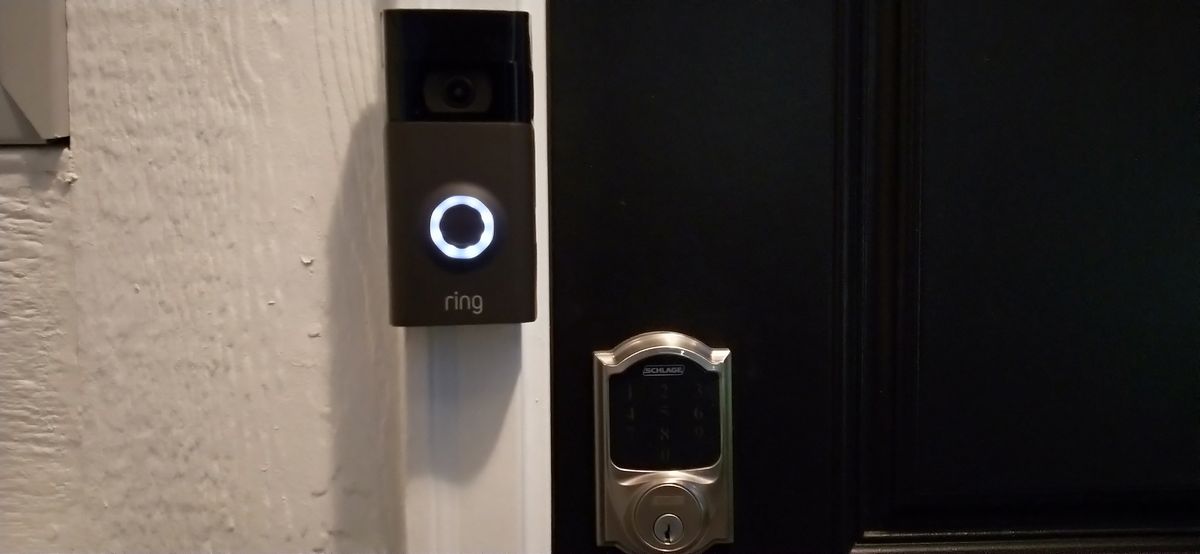
If you install one smart device in a vacation rental, make it the lock. Smart deadbolts with unique per-guest PIN codes eliminate the entire key-management circus: no lockboxes with codes that never change, no keys mailed or left under mats, no $150 locksmith calls when guests lock themselves out at midnight. Modern rental-oriented locks generate time-bound codes automatically through your property-management software — the code activates at check-in and dies at checkout — and you get a remote audit trail showing exactly when each code was used. For multi-unit properties, one dashboard can manage codes across every door, which is transformative once you pass three or four units.
Choose locks built for rental duty, not residential convenience. Priorities: a physical keypad (not phone-only, since guests should not need an app), a keyed backup cylinder for dead-battery scenarios, weather resistance for the exposure it will face, and battery life measured in months with low-battery alerts sent to you — not the guest. Budget $200 to $400 per door for quality rental-grade smart locks, plus $50 to $150 for professional installation if the door prep needs work. Rekeying a traditional lock between problem guests costs nearly as much as the smart lock within a year or two of incidents.
Two operational rules separate professional hosts from amateurs. First, never reuse codes across guests — the audit trail is worthless if six parties share one PIN. Second, disclose the lock and any cameras in your listing and house rules; most jurisdictions and all major platforms require disclosure of recording devices, and smart-lock entry logging should be mentioned in your rental agreement. A licensed locksmith can advise on fire-code-compliant egress hardware where required — bedrooms and certain occupancies have specific rules about lockable doors.
Noise Monitoring: Protecting Your Permit and Your Neighbors
Noise complaints are the fastest route to losing a short-term-rental permit, and a single out-of-control party can generate fines, neighbor hostility, and platform penalties that dwarf a year's profit. Noise monitors — which measure decibel levels without recording conversations — are the standard professional solution: they alert your phone when sustained noise exceeds your threshold, typically after a grace period, so you can message the guest before a neighbor calls the city. Expect $200 to $400 per monitored area, with most hosts covering the main living space and outdoor areas.
The critical distinction: noise monitors do not record audio, and you must be explicit about this in your listing. Privacy law and platform policy both treat indoor recording devices as presumptively hostile; several jurisdictions restrict even non-recording sensors in bedrooms and bathrooms, so keep monitors in common areas and disclose them anyway. Set thresholds thoughtfully — a monitor that pages you every time the TV is loud will train you to ignore it — and pair alerts with a written escalation policy in your house rules: first a friendly message, then a call, then whatever your local ordinance requires.
Outdoor noise deserves its own attention because pools, hot tubs, and decks generate the complaints that end permits. An outdoor-rated monitor covering the pool or patio area, combined with posted quiet hours (typically 10 p.m. to 8 a.m. in most ordinances), gives you both the data and the documented good-faith effort that matters if a dispute ever reaches the city. Some hosts add automated quiet-hour reminders through their smart speakers or messaging system — a nudge at 9:45 p.m. prevents more parties than any sensor ever will.
Thermostats and Energy: Stopping the $600 Utility Bill
Guests treat your utilities the way hotel guests treat minibars — as someone else's problem. The classic rental disasters are real: air conditioning set to 62°F with the windows open, heat cranked to 80°F in an empty house between bookings, a hot tub left at 104°F for a week. A smart thermostat with remote limits solves the structural problem: you set a reasonable range (say, 68–76°F), guests get full control within it, and you get alerts and remote override when settings go outside it or when the system runs with no occupancy.
Choose thermostats with true remote management and occupancy awareness, not just app control. The features that matter for rentals: min/max setpoint limits you can lock, automatic setback when the property is unoccupied between bookings, runtime alerts that flag a system struggling (often the first sign of a failing HVAC component), and integration with your booking calendar so the house pre-conditions before arrival and sets back after departure. Budget $200 to $350 per thermostat installed; in hot climates a single prevented month of abusive cooling pays for it. Zoned systems multiply the benefit, since guests otherwise heat and cool empty bedrooms all week.
Water heating and pool/spa equipment deserve the same treatment and are often the bigger waste: a smart water-heater controller or pool-automation schedule that drops to vacation mode between bookings saves real money. Have a licensed HVAC technician handle thermostat wiring on systems with complex staging or heat pumps — miswired smart thermostats are a top cause of service calls — and check that your setpoint limits comply with any local habitability rules that set minimum heating temperatures for rentals.
Leak Detection and Water Shutoff: The Highest-ROI Sensors You Can Buy
Water damage is the most expensive common disaster in vacation rentals, and it is worse than in a primary home for one reason: nobody is there. A supply-line leak under a sink or behind a washing machine can run for days between guests, turning a $200 repair into a $20,000 remediation with mold. Wireless leak sensors at $30 to $60 each, placed under sinks, behind toilets, at the water heater, and near the washing machine, are the cheapest insurance in this entire guide — a dozen sensors costs less than one emergency plumber visit.
The professional upgrade is an automatic shutoff valve on the main water line: when any sensor detects water, the valve closes the whole house supply within seconds and alerts your phone. Installed cost runs $500 to $1,200 depending on pipe size and access, and it is the single device most likely to save you five figures. Pair it with a smart water-flow monitor that learns your property's normal usage patterns and flags anomalies — a toilet running for six hours, a hose left on — which catches the slow disasters that sensors alone miss.
Have a licensed plumber install the shutoff valve; main-line work is not a DIY project and most jurisdictions require a permit for valve modifications. Test the full chain — sensor to valve to alert — quarterly, and replace sensor batteries on a schedule rather than waiting for low-battery warnings. If your rental is in a freeze zone, add temperature sensors in vulnerable areas and a smart thermostat rule that alerts you if indoor temperature drops toward freezing; a burst pipe during a winter vacancy is the nightmare scenario these systems exist to prevent.
Cameras, Lighting, and the Guest-Experience Layer
Exterior cameras at entry points are standard professional practice: they verify check-in and checkout times, document parking and occupancy violations, deter package and property theft, and provide evidence if damage disputes arise. Keep cameras exterior-only — doorbell and driveway coverage is the norm — and disclose every camera in your listing with its location and coverage area. Interior cameras in a rental are a legal and reputational catastrophe in nearly every jurisdiction; do not install them, and say so explicitly in your listing to build guest trust.
Smart lighting earns its keep in three ways: exterior lights on schedules and motion sensors deter break-ins during vacancies and help guests arrive safely after dark; interior lighting scenes make the property photograph and feel premium; and remote control lets you verify the house is dark and secured after checkout without driving over. Budget $500 to $1,500 for a solid lighting package depending on property size. Smart switches rather than smart bulbs are the right choice for rentals — guests use wall switches normally, and bulbs get stolen or reset. Timers on landscape lighting also keep the property looking occupied during gaps between bookings.
The guest-experience layer — a welcome tablet or printed guide with Wi-Fi credentials, a smart TV with streaming logged out between guests, clear instructions for the thermostat limits and quiet hours — is what turns technology from surveillance into hospitality. The best rental tech is invisible when things go right and instantly helpful when things go wrong. Whatever you install, create a simple one-page tech guide for guests and a separate operations manual for your cleaner and handyman with override instructions for every device.
Budgeting, Platforms, and Staying Legal
A complete professional package for a typical 2-3 bedroom rental runs $3,000 to $8,000 installed in 2026: smart locks on entry doors, a noise monitor, smart thermostats, a leak-sensor network with automatic shutoff, exterior cameras, and smart lighting. Phase it if budget is tight — locks and leak protection first, since they prevent the costliest failures; noise monitoring second in party-risk markets; the experience layer last. Most hosts recover the investment within one to two years through prevented incidents alone, before counting reduced management headaches.
Platform and legal compliance is non-negotiable. Disclose all cameras and noise monitors in your Airbnb/Vrbo listings with locations; keep sensors out of bedrooms and bathrooms; mention entry-logging in your rental agreement; and verify your city's short-term-rental ordinance for specific technology rules — some regulate noise-monitor placement, camera disclosure, and occupancy verification. Your STR permit, business license, and local tax registration must be current before any of this matters, and your homeowner's or landlord insurance must explicitly cover short-term rental activity — standard policies often exclude it.
Finally, build for the handoff: every device should be manageable without your physical presence, with a local backup contact (cleaner, handyman, or co-host) who has override access and knows the systems. Document Wi-Fi credentials, device logins, and reset procedures in a secure password manager shared with your backup — technology you cannot operate remotely during your own vacation is just expensive decoration. Costs are 2026 US market ranges; get itemized local quotes, and use licensed professionals for electrical and plumbing work.
Frequently asked questions
Prioritize in this order: smart locks with per-guest codes (eliminates lockouts and rekeying), leak sensors with an automatic water shutoff (prevents the costliest disasters), then noise monitoring in party-risk markets, smart thermostats with setpoint limits, exterior cameras, and smart lighting. A complete professional package for a 2-3 bedroom rental runs $3,000-$8,000 installed in 2026.
Noise monitors that measure decibel levels without recording conversations are widely used and generally legal, but rules vary: keep them in common areas (never bedrooms or bathrooms), disclose them in your listing, and check your city's STR ordinance for specific placement rules. Be explicit with guests that the device does not record audio.
Effectively no. Interior cameras in a short-term rental are a legal and reputational catastrophe in nearly every jurisdiction and violate major platform policies. Keep cameras exterior-only (entry, driveway), disclose every camera's location and coverage in your listing, and state explicitly that there are no interior cameras to build guest trust.
Rental-oriented smart locks integrate with property-management software to generate unique time-bound PINs per booking: the code activates at check-in and expires at checkout, with an audit trail of entries. Choose locks with a physical keypad (no app required for guests), a keyed backup, and low-battery alerts sent to you, and never reuse codes across guests.
Use smart thermostats with locked min/max setpoint ranges (e.g., 68-76F), automatic setback when unoccupied between bookings, and calendar integration for pre-arrival conditioning. Extend the same logic to water heating and pool/spa equipment with vacation-mode scheduling. One prevented month of abusive cooling in a hot climate can pay for the thermostat.
Wireless leak sensors ($30-$60 each) under sinks, behind toilets, and at the water heater and washing machine, paired with an automatic shutoff valve on the main line ($500-$1,200 installed by a licensed plumber) that closes the supply when any sensor triggers. Add a flow monitor to catch slow anomalies like running toilets, and temperature sensors in freeze zones.