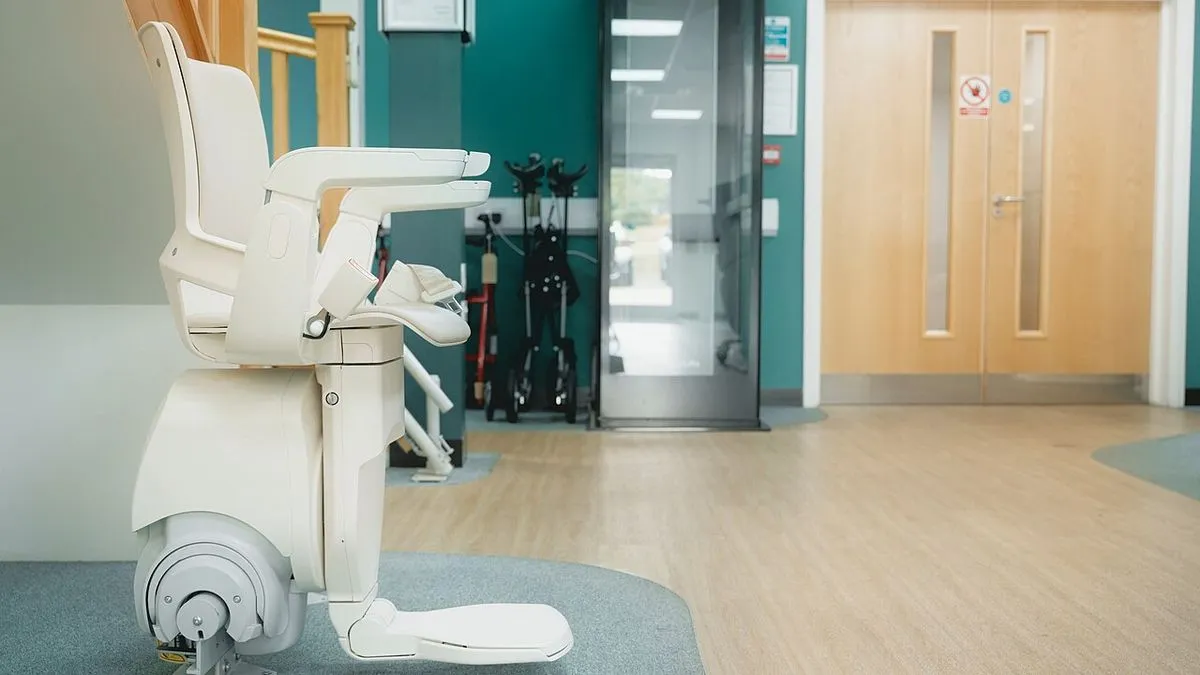
Stair Lift Cost Installed: What You'll Pay in 2026
Key takeaways
- A straight stair lift typically costs $2,500 to $6,000 installed in 2026, while a curved stair lift runs $8,000 to $18,000 or more because the rail is custom-built to your staircase.
- Equipment is 70 to 85 percent of the total bill; professional installation usually adds $500 to $1,500 depending on stair length, electrical needs, and region.
- The shape of your staircase decides the installed price more than brand, weight capacity, or seat features combined.
- Used or refurbished straight lifts and DIY self-install models can cut the total installed cost roughly in half.
- Get at least two written, itemized quotes covering equipment, labor, warranty, and service terms — verbal estimates hide the real numbers.
A stair lift cost installed typically lands between $2,500 and $6,000 for a straight staircase and $8,000 to $18,000 or more for a curved staircase in 2026. That installed figure covers the equipment itself plus professional measurement, rail fitting, electrical hookup, and safety testing — and the shape of your staircase influences the final price more than any brand name or feature list.
If you are budgeting for aging-in-place modifications, the installed cost is the only number that matters. Equipment prices advertised online often exclude the survey, the custom rail work, the outlet wiring, and the service warranty — all of which land on your final invoice. This guide breaks down exactly what you pay for, what installers bundle into their quotes, and where the legitimate savings are.
How Stair Lift Pricing Works: Equipment vs. Installation
Every stair lift quote has two distinct components, and understanding the split is the fastest way to compare quotes fairly. The equipment — chair, carriage, motor, rail, battery backup, and remotes — accounts for roughly 70 to 85 percent of the installed total. Installation labor — the in-home survey, rail sizing and assembly, anchoring, wiring, calibration, and user training — typically adds $500 to $1,500 for a straightforward straight stair lift.
Installation on a straight run is usually a half-day job for a trained two-person crew. The rail is a standard extrusion cut to length on site, anchored to the stair treads (never the wall, so drywall damage is minimal), and plugged into a nearby standard outlet. Curved installations are a different project entirely: a factory builds a custom rail from your staircase's exact measurements, then the crew spends a full day or more aligning it. That custom engineering and extended labor is why curved quotes jump into five figures.
When an installer quotes you a single bundled number, ask for it broken down anyway. If one dealer quotes $4,200 installed and another quotes $3,900, the cheaper bid is not necessarily better — check whether it includes the same warranty length, the service visit coverage, and the battery replacement terms before you compare.
AmeriGlide Rave 2 Stair Lift for Seniors – DIY Self-Install Straight Stair Lift – Fits Most Straight Staircases – 350 lb Capacity – Battery Powered – Made in USA

DIY-install straight stair lift buyers price when costing installed totals; 4.6 stars, strong review count, Prime, direct-fit buyer product
*Affiliate Disclosure: As an Amazon Associate, Elevate Home earns from qualifying purchases. Pricing and availability subject to change.
Stair Lift Cost Installed by Stair Type
The table below shows realistic 2026 installed ranges based on current market pricing data from multiple national providers. Your quote will fall inside or near these bands if the bid is honest.
These are installed totals, not equipment-only prices. If a dealer's website advertises "stair lifts from $1,499," read the fine print — that is almost always the equipment-only starting price before installation, shipping, and tax. If you already know your stairs are curved, read our guide to the best stair lifts for curved stairs before you start collecting quotes.
What Professional Installation Actually Includes
A proper installation is more than bolting a rail to the steps. Here is what the labor line item should cover — if any of these are missing from a quote, ask why:
1. In-home survey and measurement. The technician measures tread depth, stair angle, headroom, door clearances at the landings, and electrical outlet proximity. On curved stairs, this includes a photo survey or laser measurement the factory uses to bend the rail. Be suspicious of any firm quote given without someone measuring your stairs in person.
2. Rail fitting and anchoring. The rail is anchored to the stair treads with support brackets, not to the wall, so it works on most staircase constructions including wood, carpet, and tile. Straight rails are cut to length on site; curved rails arrive pre-bent and are adjusted during install.
3. Electrical connection. Modern stair lifts are battery-powered and recharge from a small unit plugged into a standard outlet near the stairs. If no outlet is within reach, an electrician needs to add one — budget $150 to $400 for that work, and confirm whether the stair lift installer handles it or you hire separately.
4. Calibration and safety testing. The crew tests the obstruction sensors, seat swivel lock, seatbelt, battery backup, remote call stations, and key-lock operation before handover. This is the step DIY installations sometimes skip, and it is the one most tied to safety.
5. User training and documentation. Expect a walkthrough of charging, folding, manual override, and what to do during a power outage, plus the warranty paperwork. Keep the manual — most mid-life service calls are resolved by following it.
The Hidden Costs Most Quotes Leave Out
The installed quote is rarely the total cost of ownership. Budget for these before you sign:
- Structural modifications ($0 – $2,000). Narrow staircases may need a handrail relocated; low headroom may need a hinged rail section at the top or bottom so the track folds out of the way of doors.
- Electrical work ($150 – $400). As above, a dedicated outlet near the bottom or top landing if one is not already close.
- Battery replacement ($50 – $150). Stair lift batteries typically last 2 to 5 years. Replacement batteries are inexpensive on straight lifts, but confirm the price for your model up front — curved-lift proprietary batteries cost more.
- Annual service plans ($0 – $300/year). Some dealers include one to two years of service; others sell it separately. A service plan usually covers the annual safety check, track cleaning, and priority callouts.
- Removal ($300 – $800). If you move or no longer need the lift, removal costs extra. Curved rails are custom and essentially have no resale value; straight rails can sometimes be reused or resold.
Ask each bidder for a five-year cost-of-ownership estimate, not just the installed price. A $4,500 quote with two years of service included and cheap batteries often beats a $3,900 quote with no service coverage and expensive proprietary parts. For stairs that are unusually narrow, see our stair lift for narrow staircase guide — rail footprint varies more than most buyers expect.
5 Legit Ways to Lower Your Installed Cost
1. Consider a refurbished straight lift. Reconditioned chairs mounted on new-cut rails typically install for $1,800 to $3,500 total — roughly half the price of new. This only makes sense for straight stairs, and you should insist on a written warranty of at least one year and new batteries included.
2. Look at DIY self-install models. A few straight stair lift brands are designed for competent DIYers, with pre-measured rail kits and phone support. Skipping the install labor can save $500 to $1,500. This is only safe on straight, structurally sound stairs — and the battery backup test and sensor calibration still need to be done carefully.
3. Time your purchase. Dealers often discount in January and during end-of-quarter sales pushes. Getting two or three written quotes and mentioning the competition is the single most effective negotiation tool you have.
4. Check for grants and tax deductions. Medicare generally does not cover stair lifts, but some state Medicaid waiver programs, VA benefits for veterans, and local Area Agency on Aging grants do. Stair lifts prescribed for a medical condition may also qualify as a medical expense deduction — talk to a tax professional about documentation.
5. Compare against the real alternative. For some households, the math changes when you compare the installed cost against the alternatives: a full bathroom or bedroom relocation downstairs, a stairlift vs. home elevator comparison, or simply making the staircase itself safer. Our guide to making stairs safer for elderly users covers the lower-cost interventions worth trying first.
The Verdict: When a Stair Lift Is Worth the Installed Cost
A stair lift is worth its installed cost when it keeps a household safely in a multi-level home for years. At $2,500 to $6,000 installed for a straight lift, the payback against one fall-related hospitalization — or against the cost of moving, remodeling a main floor, or assisted living — is usually measured in months, not years.
The value case weakens when the staircase is curved and the quote climbs past $12,000, because at that point a through-floor home elevator or a main-floor living conversion enters the same budget conversation. That is exactly why comparing brands matters at the high end: see our Acorn vs. Bruno vs. Stannah comparison for how the major brands differ on warranty and service. And if your stairs are outdoors, run the numbers separately with our outdoor stair lift cost guide — weatherproofing changes both the equipment and the install.
Bottom line: get the in-home survey, get the itemized quote, and budget for the five-year ownership cost — not just the installed price on the brochure. The cheapest installed bid that skips service coverage and safety testing is the most expensive stair lift you will ever buy.
Frequently asked questions
How much does a stair lift cost installed in 2026?
In 2026, a straight indoor stair lift typically costs $2,500 to $6,000 installed, including equipment, professional measurement, installation, and testing. Curved stair lifts cost $8,000 to $18,000 or more installed because the rail is custom-built for your staircase. Outdoor lifts run $3,500 to $9,000 installed.
Why do stair lifts cost so much to install?
Equipment is the biggest cost driver, at 70 to 85 percent of the installed total. Installation itself adds $500 to $1,500 for straight stairs and much more for curved stairs, where the rail must be custom-fabricated from exact staircase measurements. Electrical work, safety calibration, and warranty coverage make up the rest of the labor cost.
Does Medicare pay for stair lift installation?
No — Original Medicare generally does not cover stair lifts or their installation, because they are classified as home modifications rather than durable medical equipment. However, some state Medicaid waiver programs, VA benefits for eligible veterans, and local aging-in-place grants may cover part of the cost.
Can I install a stair lift myself to save money?
Some straight stair lift models are designed for DIY self-installation and can save $500 to $1,500 in labor. This is only reasonable on straight, structurally sound stairs, and you must still complete the battery backup test, sensor calibration, and safety checks exactly as the manual specifies. Curved stair lifts should always be installed professionally.
How long does stair lift installation take?
A professional straight stair lift installation usually takes 2 to 4 hours — roughly a half-day visit. Curved stair lift installations take a full day or more because the custom rail must be aligned precisely. Expect an additional 4 to 8 weeks of lead time for a curved rail to be manufactured before installation day.
Keep reading
Decision Guide
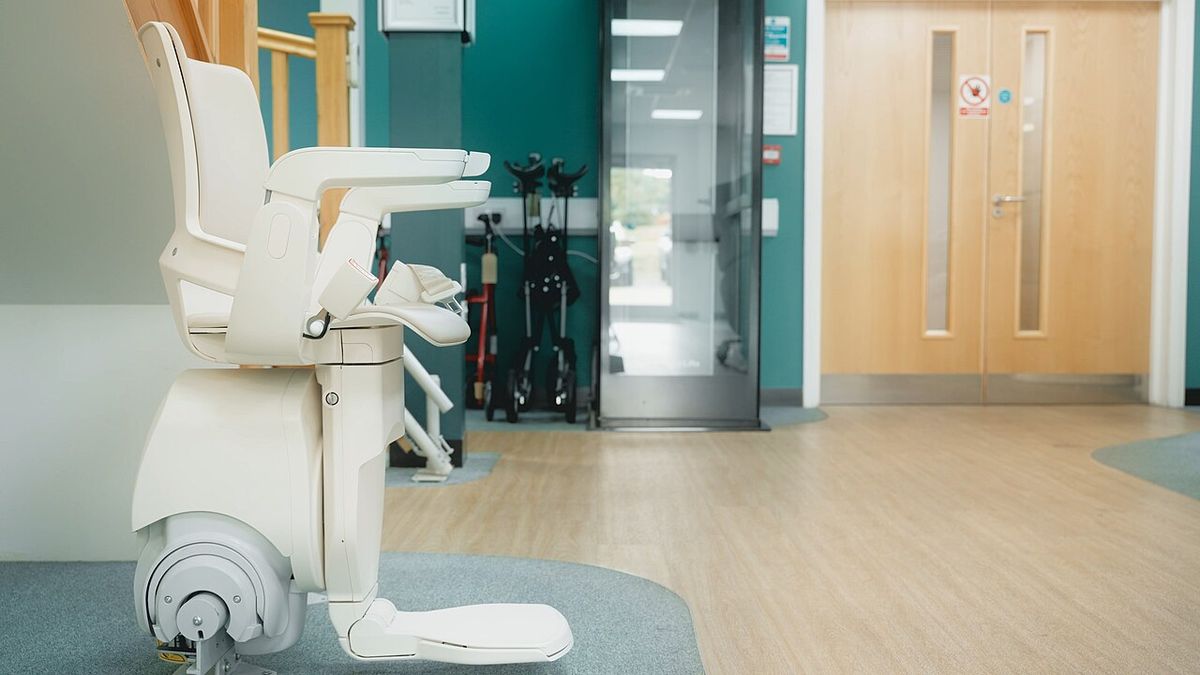
Stairlift vs Home Elevator: Which Lift Is Right for You?
Stairlift vs home elevator compared: 2026 costs, space needs, installation timelines, and resale impact to hel…
Aging in Place · Mobility
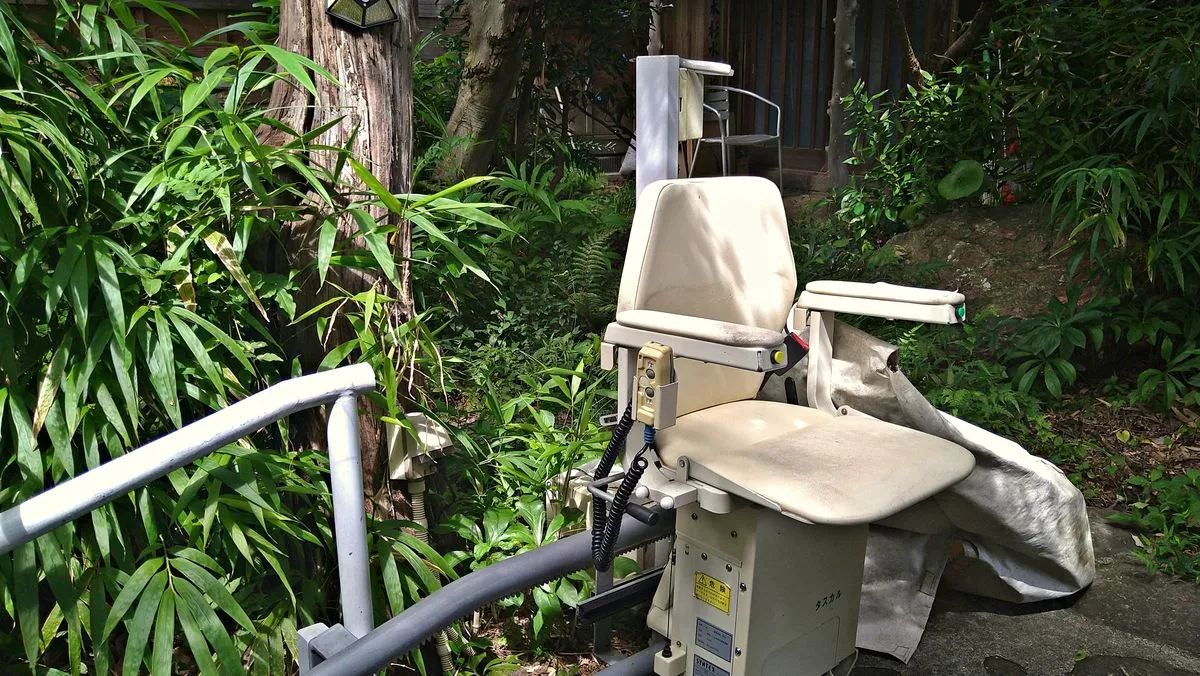
Best Stair Lift for Curved Stairs 2026: 5 Models Compared & How to Buy
Best stair lift for curved stairs in 2026: 5 models compared by cost, rail type, and fit. Learn why curved lif…
Aging in Place · Mobility
Best Stair Lift Brands 2026 Acorn vs Bruno vs Stannah: Which Is Worth Your Money?
Acorn vs Bruno vs Stannah stair lifts compared for 2026: installed costs, warranty, reliability, and which bra…
Cost Guide
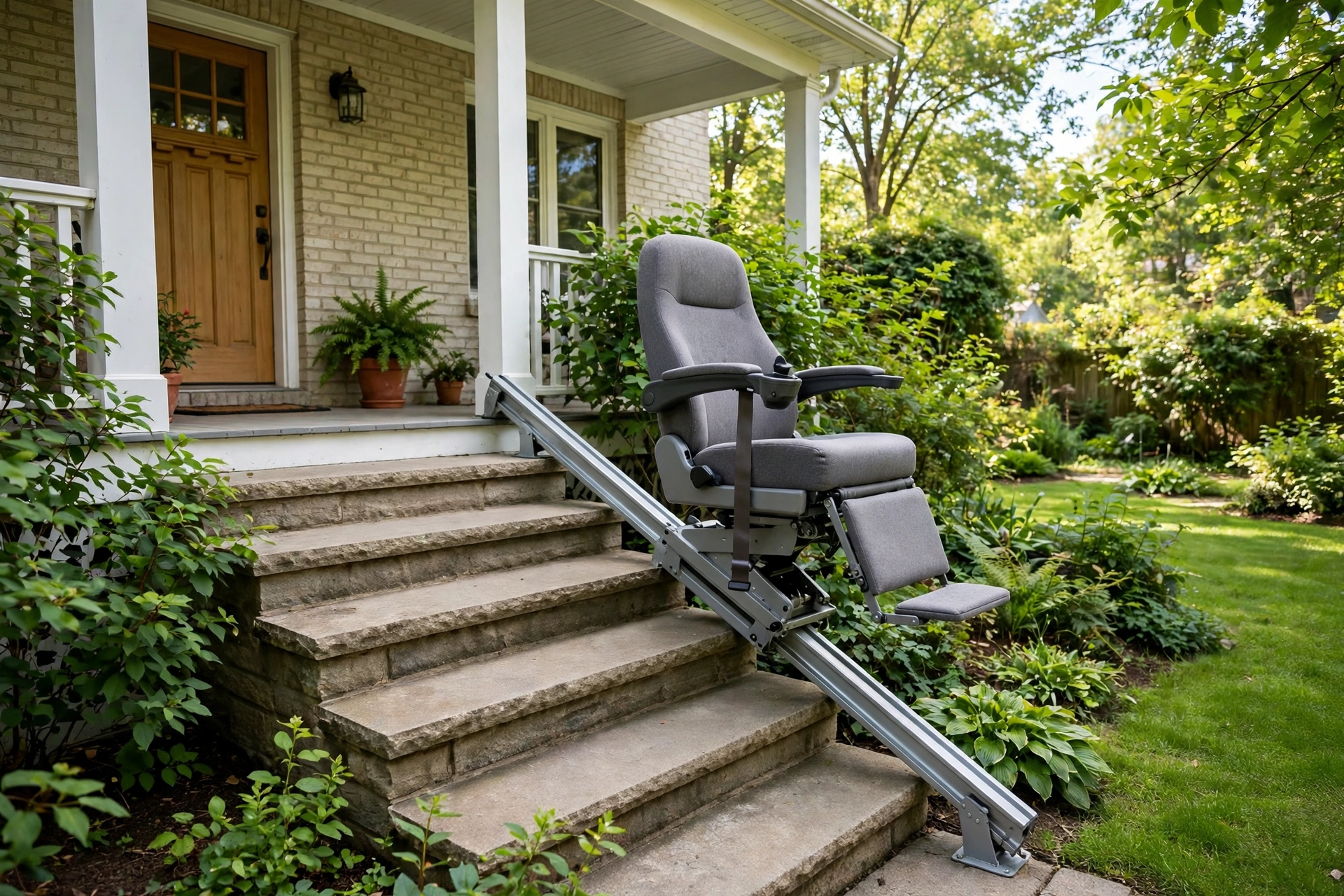
Outdoor Stair Lift Cost: 2026 Price Guide & What to Buy
Outdoor stair lift cost 2026: $4,000-$10,500 straight, $12,000-$18,000+ curved installed. Weatherproofing prem…
Interactive Tool
Aging in Place Renovation Cost Estimator 2026 Guide
Budget your aging-in-place renovation with our interactive estimator. Price accessible bathrooms, kitchens, el…
Transfer Equipment
100A vs 200A Automatic Transfer Switch
100 amp vs 200 amp transfer switch: service-entrance vs subpanel topology, when each is required, costs, and l…